Exploring Wireless Charging Technology for Electric Vehicles in 2025 isn’t just about the latest gadget—it’s reshaping how you think about EV charging convenience and daily driving. As electric vehicles (EVs) surge in popularity across the USA and Australia, the demand for seamless, user-friendly charging solutions has never been higher. Wireless charging technology, once a futuristic dream, is becoming a reality in driveways and city parking lots.
No more wrestling with heavy cables or searching for available plugs—just park your EV over a charging pad and power up automatically. This hands-free approach transforms routine charging into a smooth, almost invisible part of your day. Families with SUVs or busy professionals driving sedans benefit from faster turnarounds and less hassle.
Here’s what to expect in this guide:
- The latest advancements in wireless EV charging in 2025
- Key benefits that make wireless solutions stand out
- Practical uses at home and in public spaces
- Emerging trends shaping tomorrow’s EV experience
Whether you’re already an EV owner or considering your first electric car, understanding these new options helps you make smart, future-proof decisions. For instance, the future of auto financing, including economic shifts and consumer demands, plays a crucial role in your purchasing decisions.
Moreover, as sustainability becomes increasingly important, it’s worth looking into eco-friendly car materials that are revolutionizing the auto manufacturing industry.
To enhance your driving experience further, consider investing in the best wireless charging pads which offer clutter-free interiors with advanced technology. Additionally, ensuring safety during your drives is paramount; hence exploring options like top windshield wipers for better visibility can significantly improve your view on the road.
Drive FAQ brings expert insights to help you navigate this evolving landscape confidently—so you stay ahead of the curve while maximizing value from every charge.
How Wireless Charging Works for Electric Vehicles
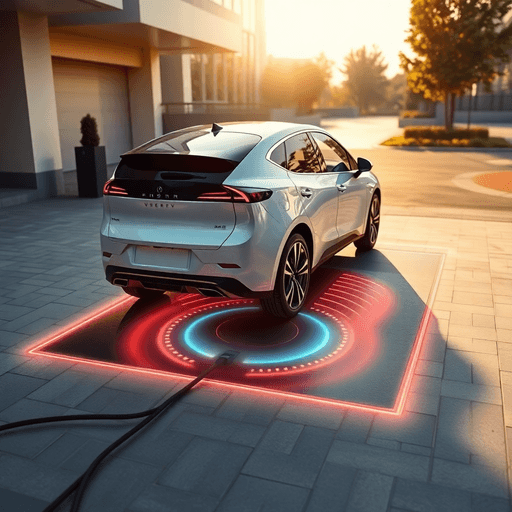
Inductive charging is the foundation of every modern EV wireless charger. This process relies on electromagnetic induction—the same principle that powers your electric toothbrush or wireless phone pad, but scaled up for vehicles.
Here’s a breakdown of the EV wireless charger basics:
- Transmitter Coil (Floor Plate):
- Installed on the ground in your garage, carport, or assigned parking space.
- Connected to the electrical mains, it generates an alternating electromagnetic field when powered.
- Receiver Unit (Vehicle Underbody):
- Fixed beneath your electric vehicle, directly above the transmitter coil.
- Converts the electromagnetic energy from the floor plate back into electricity, charging your battery without physical contact.
Energy transfer only begins when both coils are perfectly aligned. This alignment ensures efficient power delivery and minimizes stray radiation.
Safety is prioritized with built-in intelligent features:
- Foreign Object Detection: Sensors continuously scan for metallic objects or living creatures—like pets or wildlife—between the coils. Charging automatically halts if anything is detected, preventing accidental heating or injury.
- Automatic Start/Stop: The system only activates when a compatible EV is parked precisely over the floor plate and disengages as soon as the car moves away.
Inductive charging eliminates exposed cables and connectors, reducing trip hazards while making daily top-ups seamless for drivers of cars, SUVs, or trucks.
In addition to these advancements in EV technology, there are also DIY car safety tech upgrades that you can implement yourself to further enhance your vehicle’s safety features. These upgrades can range from easy-to-install devices that improve security to advanced tech that provides peace of mind on the road.
Key Developments in Wireless Charging Technology for EVs by 2025
Porsche wireless charging system is setting a new benchmark in the electric vehicle landscape. Announcing their advanced 11 kW charging power wireless unit, Porsche will debut this technology with the Cayenne Electric model in 2025. This jump from conventional 3.6–7 kW plug-in wallboxes means drivers can expect much faster charging—delivering up to 80% battery capacity in about half an hour, depending on the vehicle and battery size.
Charging speed improvements:
- Traditional plug-in chargers: typically 3.6–7 kW (AC), requiring several hours for a full charge.
- New fast wireless chargers: up to 11 kW (AC) for home systems, with commercial deployments eyeing even higher capacities.
Integration with smart apps enhances user experience:
- The My Porsche app enables real-time tracking of charging status, remote start/stop functionality, and instant notifications.
- Authentication and payment are managed seamlessly via your smartphone.
- Updates over LTE/WLAN ensure both the charger and vehicle receive the latest features or security patches automatically.
This evolution reflects a broader trend toward fast wireless chargers designed to deliver speed, safety, and convenience for EV owners—especially as automakers like Porsche drive innovation in this space. With these tech upgrades, users enjoy a more connected ownership experience while reducing downtime and simplifying daily routines.
Advantages of Embracing Wireless Charging Technology as an EV Owner
EV owner convenience sits at the core of wireless charging technology. By eliminating the daily hassle of plugging and unplugging heavy cables, wireless charging becomes a natural fit for home garages and busy public parking spots. You simply park your vehicle over the designated floor plate, and charging begins automatically—no more searching for cords or struggling with connectors in poor weather or tight spaces.
Cable-Free Charging Benefits
- Effortless operation: Just drive into position—charging initiates without manual intervention.
- Ideal for routine use: Perfect for urban dwellers, families, and anyone seeking a streamlined charging process.
- Reduced wear and tear: No physical connectors means less maintenance and fewer replacement parts over time.
Fast Charging Advantages
Fast wireless systems arriving in 2025 promise rapid energy transfer rates. Many new platforms offer significant battery boosts within approximately 30 minutes, rivaling or exceeding some popular plug-in options. This capability dramatically reduces downtime on road trips or busy days when every minute counts.
Enhanced Safety Features
Wireless chargers protect your vehicle, your home, and your loved ones:
- Automatic start/stop: Charging only occurs when the system detects proper alignment between the vehicle and floor plate.
- Object detection: Advanced sensors identify living creatures or stray metallic objects in the charging zone—instantly pausing the process to prevent accidents.
- Peace of mind: These safeguards make wireless solutions trustworthy in both private residences and crowded public lots.
As EV owners explore wireless charging technology for electric vehicles in 2025, they benefit from seamless, cable-free experiences that blend speed with safety. Reliability and simplicity shape this new era of EV convenience, making it easier than ever to keep your car ready for any journey.
However, it’s not just about charging convenience or fast energy transfer rates. The advent of biofuels might also play a crucial role in shaping a cleaner future for our vehicles. These sustainable alternatives are revolutionizing the automotive industry, reducing emissions and powering cleaner cars for a greener future.
Practical Applications and Installation Environments for Wireless EV Chargers
Garage installation stands out as the most popular option for home EV charging solutions. The wireless floor plate can be flush-mounted in a standard garage, allowing drivers to simply park and charge with no cables in sight. Carports and open-air parking spaces also support wireless charging setups, thanks to weatherproof designs that handle rain, dust, and temperature swings.
Key environments for wireless charger placement:
- Home garages: Seamless integration with residential power supply; discreet installation under your vehicle.
- Carports: Ideal for homes without enclosed garages; weather-resistant technology ensures reliable daily use.
- Open-air parking lots: Suits apartment complexes or workplaces with shared spaces; supports multiple vehicles with minimal surface disruption.
Cities across the USA and Australia are preparing for a new wave of public wireless chargers. Major urban hubs are piloting installations in curbside spots, shopping centers, and municipal lots—addressing the needs of EV owners who rely on street parking.
Integration with existing electrical infrastructure is straightforward. Most systems connect directly to household or commercial mains power, requiring only minor electrical work by certified installers. This compatibility helps fast-track deployment in both private residences and high-traffic public locations.
Public charging networks plan to synchronize with smart vehicle apps, streamlining access, billing, and user authentication. The increasing footprint of these solutions means drivers will find convenient charging options whether at home or on city streets.
Moreover, as part of a holistic approach to enhancing the driving experience, car owners can also consider investing in advanced car air purification systems that ensure cleaner, healthier drives by improving air quality within the vehicle. Additionally, utilizing high-quality car air fresheners can further enhance interior comfort with long-lasting scents that keep your vehicle fresh and inviting.
Emerging Trends Shaping the Future of Wireless EV Charging Beyond 2025
Wireless EV charging is rapidly evolving, with several trends set to redefine the industry and user experience. Solar energy integration is at the forefront. Homeowners and businesses are pairing wireless EV chargers with rooftop solar panels, creating eco-friendly solutions that cut electricity bills and reduce carbon footprints. Imagine pulling into your driveway and having your vehicle charge entirely from sunlight harvested during the day—no cables, no fossil fuels.
Bidirectional charging technology is transforming electric vehicles into active energy assets. With vehicle-to-grid (V2G) wireless systems, your EV isn’t just a commuter—it becomes a battery on wheels that can send surplus power back to the grid or supply your home during peak usage hours or outages. This capability strengthens grid resilience and gives EV owners new ways to manage energy costs.
Network interoperability is another breakthrough. As automakers adopt universal standards for wireless charging hardware and software, compatibility across brands increases. Drivers will see more public and private locations supporting multiple vehicle types, making it easier to top up anywhere—whether you drive a sedan, SUV, or electric pickup. Widespread interoperability accelerates adoption and supports seamless travel experiences for all electric vehicle owners.
In addition to these trends in the EV sector, it’s interesting to note that similar trends in boat buying are emerging. As consumers seek more eco-friendly options in recreational boating, there is a noticeable shift towards integrating sustainable technologies in boats as well.
Impact on Long-Distance Travel and Overall EV Ownership Experience with Wireless Charging Technology
Revolutionizing Long-Distance EV Travel
Fast wireless charging is changing the game for long-distance electric vehicle (EV) travel. With newer systems delivering up to 11 kW, stops for recharging are shorter and less disruptive. You can expect significant battery boosts in as little as 30 minutes, which means less waiting and more time on the road—especially valuable for those driving larger SUVs or trucks that demand bigger batteries.
Seamless User Experience
Wireless charging’s seamless user experience eliminates the hassle of plugging in cables every time you park. For families, fleet owners, and daily commuters, simply parking over a charging pad ensures your vehicle is always ready to go. This ease of use appeals to a broader audience, including drivers of heavier vehicles who previously faced longer charging times.
Integration with Autonomous Features
The shift toward wireless technology also sparks new interest in smart vehicle features. As autonomous driving becomes more common, wireless charging infrastructure aligns perfectly—imagine a self-parking car that automatically charges itself without human intervention. This synergy between convenience and advanced technology pushes consumer preferences toward vehicles equipped with both smart and wireless solutions.
Key benefits impacting EV ownership:
- Reduced downtime on extended trips
- Increased appeal for larger vehicles and diverse driver profiles
- Integration with autonomous features for a truly seamless user experience
Furthermore, the integration of OBD-II scanners into these smart vehicles allows owners to diagnose car issues themselves, saving both time and money. The ease of diagnosing problems at home is a game changer for many EV owners.
Rethinking Everyday Driving and Long-Haul Journeys
Exploring Wireless Charging Technology for Electric Vehicles in 2025 means rethinking what’s possible for everyday driving and long-haul journeys alike. The convenience offered by wireless charging may even extend beyond cars; similar technologies could be adapted for boat ownership, providing an all-encompassing solution for various modes of transport.
To protect these valuable assets, whether they be cars or boats, it’s essential to invest in top-rated covers that shield them from harsh weather conditions.
Moreover, as we embrace this new era of eco-friendly driving facilitated by wireless technology, incorporating elements of gamification can make sustainable choices more appealing. By turning eco-friendly driving into a fun challenge with rewards for sustainable choices, we can boost our green impact while enjoying the ride.
FAQs About Wireless Charging Technology for Electric Vehicles in 2025
Wireless EV charger FAQs are on the rise as more drivers consider cutting the cord. Here’s what you need to know about safety concerns, compatibility questions, and installation environments.
How safe is wireless charging around pets or children?
All major wireless charging systems for EVs in 2025 include robust safety features:
- Sensors detect living beings or metallic objects near the charging pad and automatically pause energy transfer.
- No exposed wires or electrical contacts mean fewer shock hazards compared to plug-in solutions.
- For families with young children or pets, wireless systems provide peace of mind with extra protection layers.
Will my current electric vehicle be compatible with new wireless chargers?
Here’s what you need to know about compatibility:
- Most new EVs designed from 2025 onwards will offer factory-installed or dealer-upgrade receiver units.
- Owners of older models may need an aftermarket receiver installation—compatibility depends on model year and underbody design.
- Universal standards are emerging, but it’s best to check your vehicle’s specs before purchasing a wireless system.
- It’s also worth noting that understanding the impact of technology on vehicle valuation can be beneficial when considering such upgrades.
How does wireless charging compare cost-wise with traditional plug-in chargers?
Can wireless chargers be installed outdoors or only indoors?
Here’s a breakdown of costs and installation considerations:
- Upfront costs for wireless chargers tend to be higher, especially for premium brands like Porsche and BMW.
- Installation is typically more involved due to the floor plate and alignment requirements.
- Long-term savings come from reduced wear-and-tear—no connectors to replace and less cable management needed.
- Most systems are rated for both indoor and outdoor use, designed to withstand rain, dust, and temperature swings. Always confirm IP rating for outdoor installations.
Conclusion
Exploring Wireless Charging Technology for Electric Vehicles in 2025 brings new possibilities to the way you approach EV ownership. As the future of EV charging shifts toward seamless and hands-free solutions, making smart vehicle decisions means staying informed about emerging tech that fits your lifestyle.
- Adopting new tech like wireless charging doesn’t just add convenience—it can also boost safety, save time, and make daily routines easier, whether you drive a sedan, SUV, or truck.
- The expanding landscape of public and private wireless charging options creates more ways for drivers to keep their batteries topped up with less hassle.
Smart choices start with reliable information. Drive FAQ delivers expert-led guides and real-world reviews to help you compare the best wireless charging products and services available in the USA and Australia.
Ready to upgrade your charging experience? Browse our recommended wireless chargers—each selection comes with detailed pros/cons, compatibility tips, and exclusive affiliate offers designed to give you both value and peace of mind.
Explore the latest solutions on Drive FAQ and take control of your journey into the future of EV charging. Your next step could be as simple as choosing a smarter way to power up—no cables required.
However, as you explore these advancements in EV technology, it’s also crucial to consider your overall vehicle financing options. Whether you’re looking for advice on how to finance a used car, seeking tips on securing the best rates through our comprehensive car loan guide, or contemplating refinancing your car loan, Drive FAQ provides all the necessary resources at your fingertips.
Additionally, if you’re a classic car enthusiast trying to navigate today’s market, our guide on valuing classic cars will offer valuable insights.
FAQs (Frequently Asked Questions)
How does wireless charging technology work for electric vehicles in 2025?
Wireless charging for electric vehicles in 2025 operates via inductive charging, where electromagnetic fields transfer energy wirelessly between a transmitter coil embedded in the floor plate and a receiver unit located on the vehicle’s underbody. This method eliminates the need for physical cables, enhancing convenience and safety.
What are the key advancements in wireless EV charging technology expected by 2025?
By 2025, wireless EV charging is set to feature faster charging speeds with systems like Porsche’s upcoming 11 kW wireless charger debuting with the Cayenne Electric model. Integration with vehicle apps such as My Porsche enables tracking, authentication, and remote updates via LTE/WLAN, significantly improving user experience.
What advantages does wireless charging offer to electric vehicle owners compared to traditional plug-in methods?
Wireless charging offers EV owners enhanced convenience by eliminating manual plugging and unplugging, making daily use seamless in garages or public parking. Fast charging capabilities reduce downtime with significant battery boosts within approximately 30 minutes. Additionally, integrated safety features like automatic start/stop and object detection improve overall charging safety.
Where can wireless EV chargers be practically installed, and how versatile are these solutions?
Wireless EV chargers are highly versatile and can be installed in various environments including home garages, carports, open-air parking spaces, and expanding public wireless charging stations in major cities. They integrate smoothly with existing electrical infrastructure, providing flexible home and urban charging solutions.
What emerging trends will shape the future of wireless EV charging beyond 2025?
Future trends include integrating wireless chargers with solar energy systems to boost sustainability efforts, developing bidirectional (vehicle-to-grid) wireless charging allowing EVs to supply energy back to grids or homes, and enhancing interoperability among different manufacturers’ networks to promote wider adoption of wireless EV charging technology.
Is wireless charging safe around pets and children, and will it be compatible with my current electric vehicle?
Wireless charging systems incorporate safety features that detect living creatures or metallic objects nearby and automatically interrupt the charging process to prevent harm. Compatibility depends on your vehicle model; while many new EVs support wireless charging, it’s essential to verify compatibility or consider aftermarket receiver units for existing vehicles.