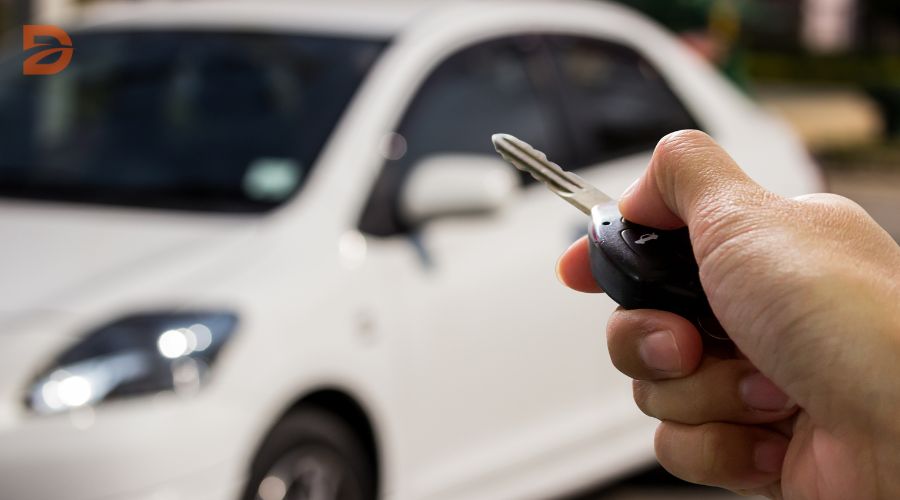

Self-parking cars are no longer a futuristic dream. Autonomous Valet Parking (AVP) technology is already reshaping how you park, offering a smarter and safer alternative to circling lots or squeezing into tight spaces. The rise of AVP technology means less hassle, fewer parking mishaps, and more time for what matters.
In this guide, you’ll discover:
- How AVP works behind the scenes
- Key benefits and real-world challenges
- Steps involved in the self-parking process
- Tips for choosing vehicles with AVP features
Get ready to learn everything you need to know about Autonomous Valet Parking Technology—and how it can change your driving experience.
However, the implications of this technology extend beyond just personal vehicles. For instance, if you’re considering transitioning to a more sustainable mode of transportation, you might want to explore the potential of solar-powered cars, which are revolutionizing green travel.
Moreover, if you’re looking to finance a used car with AVP features, our guide provides expert tips on loans, budgeting, negotiation, and making informed purchase decisions.
On a different note, if you’re in the market for a boat instead of a car, we have some invaluable resources that can help you sell your boat fast or understand the boat buying trends you shouldn’t ignore.
Understanding Autonomous Valet Parking Technology
Autonomous Valet Parking (AVP) is transforming the concept of parking by letting your vehicle do the work—no human input needed after you step out. At the heart of this technology are sophisticated systems that enable self-parking vehicles to navigate, locate available spaces, and avoid obstacles with precision.
How AVP Works: The Core Components
1. Sensors and Cameras
Modern AVP systems rely on a network of ultrasonic sensors, radar, LiDAR, and high-resolution cameras. These devices scan the environment in real time, detecting curbs, other vehicles, pedestrians, and barriers. This sensory feedback allows the vehicle to make split-second decisions about speed, steering, and braking.
2. Mapping Technology
Detailed digital maps play a crucial role in autonomous parking. These maps provide information about the layout of parking structures—such as entrances, exits, ramps, and designated parking spots. Vehicles use GPS data combined with preloaded or cloud-based maps to localize themselves accurately within a facility.
3. Obstacle Detection Systems
Advanced algorithms process sensor data to identify both stationary and moving obstacles. When an object appears unexpectedly—a shopping cart left behind or a pedestrian crossing—the system reacts instantly by adjusting its path or coming to a full stop.
“Unlike basic park assist features that only handle steering, AVP handles every aspect of parking from navigation to maneuvering in tight spaces.”
Where AVP Shines: Practical Use Cases
Self-parking vehicles are not just a futuristic concept—they’re already being piloted in select locations across the USA and Australia. This hands-off approach is paving the way for less stressful trips, especially when parking in crowded urban areas or unfamiliar lots.
Here are some areas where AVP is making a significant impact:
- Commercial Parking Facilities: Airports, shopping centers, and office buildings benefit from self-parking vehicles that maximize space efficiency and reduce traffic jams at entrances.
- Smart Garages: Residential complexes and luxury developments install dedicated AVP infrastructure so residents can simply exit their cars at the entrance; their vehicle then finds a spot autonomously.
- Fleet Management: Rental car facilities and logistics hubs use driverless parking to streamline operations and minimize wait times during high-volume periods.
With these building blocks in place, understanding how each stage of autonomous valet parking unfolds provides even greater insight into why this technology is attracting attention from car buyers and facility managers alike.
Moreover, as we embrace such advanced technologies in our vehicles, it’s essential to consider other aspects like auto financing, which can help secure the best rates for purchasing these high-tech vehicles. Additionally, with the increasing focus on sustainability, exploring options like eco-friendly driving could be beneficial.
As we continue to innovate in areas such as car air purification for healthier drives or investing in classic cars, it’s clear that the future of driving is not just about getting from point A to B but doing so in a more efficient and sustainable manner.
The Step-by-Step Process of AVP in Action
Autonomous Valet Parking (AVP) transforms the parking experience through a precise, automated sequence. Here’s how the typical AVP process unfolds from arrival to vehicle retrieval:
1. Driver Drop-Off
- You arrive at a designated AVP drop-off zone, usually near the entrance of a parking facility.
- With a tap on your smartphone or vehicle interface, you activate the autonomous navigation mode and exit your car.
2. System Handshake and Environment Scan
- The vehicle connects with the parking facility’s infrastructure—communicating with sensors, cameras, and mapping systems.
- The car performs an environment scan, confirming its exact location and identifying available parking spots through real-time data exchange.
3. Autonomous Navigation to Parking Spot
- Your vehicle selects the optimal route using onboard algorithms and mapping data.
- It navigates independently—avoiding obstacles, pedestrians, and other vehicles—using technologies like LiDAR, ultrasonic sensors, and AI-powered cameras.
4. Self-Parking Execution
- Upon reaching the selected spot, the AVP system maneuvers the car into position with precision, handling tight spaces many drivers find challenging.
- Safety checks ensure proper alignment before shutting off the engine.
5. Vehicle Retrieval Upon Request
- When you’re ready to leave, initiate a retrieval request via your app or key fob.
- The car autonomously navigates back to the pickup area, ready for your departure without you having to hunt for it in a crowded lot.
This streamlined approach maximizes convenience and safety while removing common parking hassles. Each stage is engineered for reliability—ensuring both autonomous navigation and vehicle retrieval meet modern expectations for smart mobility solutions.
However, even with advanced technology like AVP, it’s important to remember that regular vehicle maintenance is crucial. For instance, having a reliable OBD-II scanner can help diagnose any car issues yourself before they escalate.
Moreover, protecting your vehicle from external elements is essential. Using top-rated car covers can shield it from sun, rain, snow, and more.
Lastly, maintaining a pleasant driving experience also involves keeping your vehicle’s interior fresh. Investing in quality car air fresheners can enhance your car interior comfort with long-lasting scents that keep it inviting.
Benefits and Challenges of Embracing AVP Technology
Adopting Autonomous Valet Parking (AVP) technology brings a new level of convenience to drivers. No more circling crowded lots or squeezing into tight spaces—AVP handles the parking process automatically, offering genuine time-saving parking for busy commuters or families juggling packed schedules.
Key benefits include:
- Enhanced Convenience: Letting the system park your car means you spend less time searching for a spot and more time on what matters.
- Safety Benefits: AVP systems use advanced sensors and algorithms designed to minimize human error during parking maneuvers. This reduces fender-benders, scratches, and accidents often caused by distracted or rushed parking. To further enhance safety, drivers can consider implementing some DIY car safety tech upgrades that are easy to install and significantly boost vehicle security.
- Reduced Traffic Congestion: In commercial garages and smart facilities, AVP can streamline vehicle movements, preventing bottlenecks and keeping traffic flowing smoothly inside the lot.
Despite these advantages, the technology still faces real-world challenges:
- Perception Accuracy: Reliable detection of obstacles—like curbs, shopping carts, or pedestrians—requires sophisticated sensor fusion and rapid data processing. False positives or missed hazards can undermine trust in the system.
- Obstacle Recognition: Differentiating between stationary objects and moving hazards (such as small children or pets) pushes the limits of current AI capabilities.
AVP continues to evolve as automakers improve perception systems, mapping accuracy, and response times. For anyone searching for everything you need to know about autonomous valet parking technology, understanding these pros and cons is crucial before making a decision about embracing this innovation. As part of this journey towards embracing technological advancements in driving, one might also explore boat ownership or even consider selling trucks quickly through online platforms, which could provide additional insights into vehicle management.
The Future of Parking Facilities with AVP Technology
Smart garages are reshaping the way vehicles interact with urban infrastructure. Architects and technology companies are collaborating to design AVP-optimized parking structures that maximize space efficiency, safety, and rapid vehicle turnover. Instead of traditional ramps and wide lanes, these facilities feature:
- Narrower drive paths, since human drivers are no longer required to maneuver through tight spaces
- Integrated charging stations for electric vehicles
- High-density stacking that leverages robotic lifts and automated shuttles
The backbone of these innovations is advanced algorithm development. Machine learning systems process real-time data from thousands of sensors embedded in both the vehicles and the facility itself. These algorithms coordinate vehicle movement, optimize parking allocation, and dynamically adjust to changing traffic within the garage.
Infrastructure innovation extends beyond physical structures. Smart garages communicate directly with autonomous vehicles using secure wireless protocols, forming interconnected autonomous vehicle ecosystems. This network enables seamless check-in, navigation, and retrieval processes with minimal human oversight.
In major cities like Los Angeles and Sydney, pilot projects are exploring how AVP-ready garages can support mixed fleets—cars, SUVs, electric vehicles—while reducing land usage and operational costs. As software continues to improve, expect smarter facilities that not only park your car but also monitor its health and security while it waits.
Moreover, as we move towards a more sustainable future, the integration of eco-friendly car materials into these smart garages will play a crucial role. These materials not only contribute to the reduction of our carbon footprint but also align with the growing trend of sustainable auto manufacturing in the US.
Practical Considerations for Vehicle Owners Interested in AVP Technology
When buying cars with AVP, focus on both hardware and software compatibility. Not every vehicle supports fully autonomous valet parking—look for models offering advanced sensor suites (such as LiDAR, radar, and multiple cameras) and robust connectivity features. Brands like Mercedes-Benz and BMW have begun rolling out AVP-ready vehicles, but always confirm support for your local infrastructure or parking facilities.
Key factors when purchasing:
- OEM Certification: Choose vehicles from manufacturers with proven AVP integrations.
- OTA Update Support: Ensure the car’s software can receive regular over-the-air updates for security and feature improvements.
- User Interface Simplicity: Test the ease of activating and controlling AVP features, preferably through mobile apps or in-car systems.
Maintenance tips for reliability:
- Regularly clean sensors and cameras to maintain optimal detection performance.
- Schedule periodic diagnostics at authorized service centers specializing in autonomous tech.
- Monitor battery health, as consistent sensor operation draws more power than standard systems.
A proactive approach to buying cars with AVP and following these maintenance tips will help keep your system safe, responsive, and ready for future smart garage upgrades.
Frequently Asked Questions About Autonomous Valet Parking Technology
AVP FAQs address many concerns drivers have as self-parking cars become more common. Here’s everything you need to know about autonomous valet parking technology before making a decision.
Is Autonomous Valet Parking Available on All Types of Vehicles?
- Not all vehicles support AVP technology. Most current offerings appear in select new models—primarily premium sedans, SUVs, and some electric vehicles.
- Automakers like Mercedes-Benz, BMW, and Tesla have introduced AVP-capable models in specific markets. Expect broader adoption as the technology matures.
- Always check manufacturer specifications or consult with your dealership to confirm compatibility with your preferred vehicle type.
How Safe Is the Technology Around Pedestrians?
Leading AVP systems use a combination of cameras, ultrasonic sensors, radar, and advanced algorithms to detect pedestrians and obstacles.
Safety protocols include automatic braking and evasive maneuvers if a person is detected in the path.
Real-world results show high levels of reliability in controlled environments such as smart garages—though continued improvements aim to enhance performance in unpredictable settings.
What Are the Latest Laws and Regulations for Self-Driving Cars?
To stay informed about the changing landscape of autonomous driving legislation, you can explore the new laws and regulations for self-driving cars, which detail the legal issues shaping the future of this technology in the US.
For those curious about practical use or considering an upgrade, understanding these common questions about self-parking cars helps you make a more informed choice. Additionally, if you’re interested in how electric vehicles can benefit you beyond just transportation, such as how electric cars can power your home with V2G tech, it’s worth considering these advancements.
Conclusion
Exploring vehicles with Autonomous Valet Parking opens the door to a safer, stress-free parking experience. The autonomous valet benefits summary is clear—reduced parking hassles, enhanced security, and better use of your time. When shopping for your next car or SUV, prioritize models that feature AVP technology and always follow best practices for maintenance and safety.
As you consider your next vehicle purchase, it’s also essential to stay informed about The Future of Auto Financing, which outlines key trends including economic shifts, consumer demands, and tech advancements shaping the industry. Furthermore, understanding the impact of technology on vehicle valuation can provide valuable insights as you evaluate potential purchases.
Incorporating modern conveniences like wireless charging pads can enhance your driving experience by streamlining your car’s interior. The Everything You Need to Know About Autonomous Valet Parking Technology empowers you to make informed choices as this smart innovation becomes the new standard in modern driving. Consider test-driving an AVP-equipped model and experience the difference firsthand.
FAQs (Frequently Asked Questions)
What is Autonomous Valet Parking (AVP) technology and how does it work?
Autonomous Valet Parking (AVP) technology enables vehicles to park themselves without driver intervention using advanced sensors, mapping technology, and obstacle detection systems. This self-parking capability involves the vehicle autonomously navigating parking facilities, identifying available spaces, and safely parking itself.
Which types of vehicles are equipped with Autonomous Valet Parking features?
AVP technology is increasingly available across various vehicle types including cars and SUVs. However, availability depends on the manufacturer and specific model, so it’s important for buyers to verify if AVP is included when purchasing a vehicle.
How safe is Autonomous Valet Parking technology around pedestrians?
AVP systems are designed with enhanced safety features such as precise obstacle detection and real-time environment mapping to minimize risks around pedestrians. While no system is infallible, AVP significantly reduces human error during parking maneuvers, contributing to safer interactions in parking areas.
What are the main benefits of adopting Autonomous Valet Parking technology?
The primary benefits of AVP include increased convenience by eliminating the need to manually find parking spots, improved safety through reduced human error, time savings during parking processes, and potential reductions in traffic congestion within parking facilities.
What challenges does Autonomous Valet Parking technology currently face?
Despite its advantages, AVP technology faces challenges such as ensuring perception accuracy and reliable obstacle recognition in complex environments. Overcoming these technological hurdles is essential for widespread adoption and optimal performance in diverse parking scenarios.
How should vehicle owners maintain their cars equipped with AVP technology?
Owners of vehicles with AVP should follow manufacturer-recommended maintenance schedules focusing on sensor calibration and software updates. Regular checks ensure the reliability of autonomous systems and contribute to safe, efficient operation of self-parking features.