
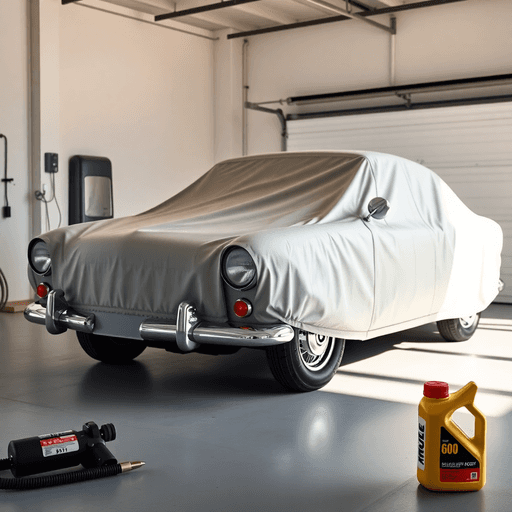
Storing your vehicle for months—or even years—without proper preparation can quietly sabotage its condition, performance, and resale value. Long-term vehicle storage isn’t just parking and forgetting; it’s about taking strategic steps to shield your investment from rust, corrosion, battery failure, flat tires, and unwanted pests. Whether you own a classic car, family SUV, truck, or boat, knowing how to properly store your vehicle long-term is essential for safeguarding both its mechanical health and market worth.
Key Takeaway:
Following proven expert tips to store your vehicle properly helps you avoid unexpected repair bills and keeps your ride road-ready whenever you need it.
Ready to protect your investment? This guide covers everything you need to know about long-term vehicle storage so nothing gets left to chance.
Why Proper Long-Term Vehicle Storage Matters
Letting a vehicle sit idle without preparation leads to a host of problems that impact both its condition and long-term value. Vehicle preservation is not just about keeping your ride looking good—it’s about protecting every component from unnecessary wear and damage.
Protecting Your Vehicle’s Exterior
- Paint and Exterior: Exposure to dust, sunlight, and environmental contaminants can cause paint to fade, oxidize, or develop stubborn stains. Without proper protection, rust can form on exposed metal surfaces.
Maintaining Engine Health
- Engine and Mechanical Systems: Old oil and stagnant fluids break down over time. This can result in internal corrosion within the engine, leading to expensive repairs once you start the vehicle again.
Caring for Your Tires
- Tires: When a car remains stationary for months, tires risk developing flat spots. Uneven tire wear or rubber degradation reduces driving safety and comfort when you take it back on the road.
Keeping Your Battery Charged
- Battery: Unused batteries lose their charge and may become unusable if left unchecked. Replacing a dead battery adds unnecessary expense.
Investing time in preventive care delivers clear financial benefits. Proactive steps help prevent costly repairs related to corrosion, cracked hoses, rodent damage, and battery failures. Preserving your vehicle’s mechanical integrity also means you maintain its resale value—critical whether you drive a classic car, an SUV, or a family sedan. Regular maintenance and thoughtful storage ensure you won’t face unexpected bills or diminished returns when it’s time to sell or trade-in your vehicle.
Taking these actions is key for anyone serious about maintaining vehicle value during periods of inactivity—protecting both your investment and your peace of mind. Understanding the impact of technology on vehicle valuation can also play a significant role in this process. For instance, advancements in solar-powered cars are not only revolutionizing green travel but also influencing the valuation of vehicles. Furthermore, staying informed about the future of auto financing trends can help you make better financial decisions regarding your vehicle.
If you’re considering selling your vehicle during this period of inactivity, exploring online platforms to sell trucks quickly could be beneficial. These platforms allow you to find buyers easily, compare prices efficiently, and close deals in no time.
Lastly, embracing gamification as part of your driving habits could turn eco-friendly driving into a fun challenge while boosting your green impact.
Step-by-Step Guide to Preparing Your Vehicle for Storage
1. Clean and Protect the Exterior
Preparing your car for long-term storage starts with a deep clean. Dirt, bird droppings, sap, and road grime left on the paint can cause permanent etching or staining if ignored for weeks or months. Washing and waxing your car is a critical first step to prevent this silent damage.
Wash and wax car thoroughly
Use a quality automotive shampoo to lift off grit without scratching clear coats. Pay close attention to wheel wells, undercarriage, and trim where salt or mud tends to build up—especially important in coastal areas or after winter driving.
Dry completely
Any trapped moisture increases the risk of rust. Use microfiber towels to avoid swirl marks.
Apply a high-quality wax or sealant
Waxing creates a barrier that locks out contaminants during storage. For even better results, consider a ceramic coating for long-lasting protection against UV rays, water spots, and oxidation.
Clean windows and mirrors
Remove fingerprints, haze, and any debris that could bake onto glass surfaces. Don’t forget headlights and tail lights—these often get overlooked but are prone to clouding.
Protecting the paint goes beyond cleaning. The right cover acts as armor against unseen threats:
- Choose a breathable car cover: Plastic tarps trap condensation and can lead to mildew or paint blistering. A custom-fit breathable car cover lets air circulate while blocking dust, scratches, pollen, and UV rays. Look for options designed specifically for your type of vehicle—sedan, SUV, truck, classic car—or even motorcycle covers if applicable.
- Secure the cover properly: Flapping fabric in windy garages can abrade paint over time. Use built-in straps or grommets so the cover stays put.
“A breathable car cover is one of the smartest investments you can make when preparing a car for long-term storage,” says auto detailer Matt R., who specializes in collector vehicles across Australia and the U.S.
Leaving your vehicle exposed—even inside a garage—is an open invitation for dust buildup and accidental dings. Simple habits like washing before storage and using a fitted cover directly influence how your paintwork looks when you’re ready to drive again.
Proper exterior prep isn’t just about appearances; it’s about preserving value. Collectors know that original paint condition is one of the top factors influencing resale price on vintage cars, sports cars, trucks—even boats stored outdoors near saltwater environments.
2. Change Oil and Fluids
Old engine oil left sitting in a vehicle can become acidic, breaking down into corrosive compounds that attack metal surfaces inside your engine. An oil change before storing your car long-term is non-negotiable. Fresh oil provides a clean barrier, reducing the risk of internal corrosion during storage.
Check and top off these critical fluids before storage:
- Brake fluid: Moisture can infiltrate over time, compromising braking performance and corroding internal components. Regular brake fluid maintenance keeps the system protected.
- Coolant: Proper coolant levels discourage rust and prevent freezing or overheating risks if temperatures fluctuate.
- Windshield washer fluid: Topping up prevents the system from drying out and stops lines from clogging with residue.
By including these steps in your checklist for preparing a car for long-term storage, you help avoid expensive repairs related to neglected fluids. These habits are just as crucial as steps like wash and wax car or protect paint with breathable car cover for maintaining vehicle value.
Additionally, consider installing a top GPS tracker in your vehicle before storage. This will not only help you monitor your vehicle’s location but also enhance its safety while it’s parked.
3. Fuel System Preparation
Filling your fuel tank for storage is a crucial step in preparing your car for long-term storage. A full tank helps block internal condensation, which can lead to rust and corrosion in the fuel system. Moisture buildup is a top culprit behind clogged injectors and rough startups after months of inactivity.
- Top off the gas tank completely before parking your vehicle.
- Add a quality fuel stabilizer to help prevent the gasoline from breaking down or gumming up sensitive components.
- Run the engine for a few minutes to circulate the stabilizer throughout the system.
Taking these steps ensures your stored vehicle’s fuel system remains protected, reducing risks of expensive repairs down the line. However, it’s also essential to stay updated on new laws and regulations for self-driving cars if you’re considering such a vehicle in the future.
4. Battery Maintenance During Vehicle Storage
Neglecting your battery during long-term storage is one of the most common pitfalls vehicle owners face. Batteries naturally lose charge over time, and letting your car sit idle for weeks or months can leave you with a dead battery or, worse, permanent damage that requires a costly replacement.
Best Practices for Battery Upkeep Long-Term:
-
Trickle Charger Use:
Attach a smart trickle charger (also called a battery maintainer) to keep your battery at an optimal charge level. This device senses when the battery drops in voltage and automatically recharges it as needed. Trickle chargers are especially useful if you want to be able to drive away immediately after storage without hassle. -
Disconnecting the Battery:
If power outlets aren’t available where you’re storing your car, disconnect the negative terminal of the battery. This method prevents slow drains from electronics like clocks and security systems but will reset radio presets and some onboard computers.
Pro tip: For classic cars, motorcycles, RVs, and boats—where electrical systems are prone to parasitic drains—using a trickle charger with float mode is often the safest bet.
-
Inspect Before Storage:
Clean corrosion from terminals with a mix of baking soda and water. Make sure connections are tight if you’re leaving the battery connected. -
Storage Location:
If you live in an area with harsh winters or extreme heat, consider removing the battery entirely and storing it indoors in a cool, dry place to extend its life.
Keeping up with proper battery maintenance is crucial when preparing a car for long-term storage. With minimal effort up front, you avoid frustrating jump-starts and protect your investment’s electrical health.
Trickle Charger Use vs. Disconnecting Battery
When preparing a car for long-term storage, keeping the battery healthy is critical. Two main options work for most cars, SUVs, and trucks:
- Trickle charger use: A trickle charger connects to your battery and delivers a low, steady current. This prevents discharge and extends battery life without overcharging. Smart trickle chargers monitor voltage and turn on only when needed—ideal if your storage location has power access. Choose a model with automatic shutoff for added safety.
- Disconnecting the battery: If electricity isn’t available, disconnecting the negative terminal of your battery is a low-tech but effective method. This reduces parasitic drain from onboard electronics. For newer vehicles with advanced security or infotainment systems, check your owner’s manual before disconnecting—some settings may reset.
Both methods help ensure your vehicle starts right up after storage. Pairing these battery tips with steps like wash and wax car routines and using a breathable car cover supports best practices for how to properly store your vehicle long-term.
5. Tire Care for Extended Storage
Tires face unique challenges when a vehicle sits idle for weeks or months. Without proper attention, tires can develop flat spots and dry rot—two issues that impact both safety and ride comfort.
Key steps for effective tire care:
-
Inflate to the Correct Pressure: Always check and adjust your tire pressure before storage. Use a reliable tire gauge to reach the manufacturer’s recommended PSI, which is usually found on the driver’s door jamb or in your owner’s manual. Proper tire pressure maintenance helps preserve the tire shape and prevents flat spots from forming during long periods without movement.
-
Consider Jack Stands or Tire Cradles: If you’re preparing a car for long-term storage (especially classic cars, high-end SUVs, or collector vehicles), placing your vehicle on jack stands or specialty tire cradles reduces stress on the tires and suspension. This approach eliminates weight resting on the tires, further reducing the risk of deformation.
-
Protect from Sunlight and Moisture: UV rays accelerate rubber breakdown. Store your car in a shaded garage when possible, and use a breathable car cover rated for tire protection if outdoor storage is your only option.
-
Move the Vehicle Occasionally: If feasible, roll your car forward or backward a few feet every month to redistribute the load on each tire. This simple action minimizes prolonged contact with one spot.
Vehicles that sit unused are especially vulnerable to premature tire aging. Following these tips as part of How to Properly Store Your Vehicle Long-Term ensures your tires remain road-ready when it’s time to drive again.
– Prevent Flat Spots on Tires
Flat spots can develop when your vehicle sits in one position for weeks or months. To prevent flat spots on tires, start by inflating each tire to the manufacturer’s recommended PSI before storage. This proactive step helps distribute the vehicle’s weight evenly and reduces the risk of permanent deformation. If you’re preparing a car for long-term storage, especially in colder climates or on concrete surfaces, this becomes even more critical.
- Check tire pressure with a reliable gauge before storage and top up as needed.
- Consider moving the vehicle slightly every few weeks if possible, just a few inches forward or backward, to shift pressure points.
- For enthusiasts storing classic cars or high-value vehicles, using tire cradles or parking on foam pads gives additional protection.
Pairing proper tire care with other best practices—such as wash and wax car routines and choosing to protect paint with breathable car cover—ensures your efforts in How to Properly Store Your Vehicle Long-Term deliver lasting results across all areas of preservation. Tire health directly impacts safety, ride quality, and resale value down the track.
6. Pest Prevention Strategies
When preparing a car for long-term storage, pest prevention is as important as mechanical maintenance. Rodents and other small animals are notorious for seeking shelter in idle vehicles, attracted by warmth and the protection your vehicle offers. A single season of nesting can lead to chewed wiring, damaged insulation, and ruined upholstery—issues that can be expensive to fix.
Key tactics to keep rodents out of your car:
- Seal All Entry Points: Block off exhaust pipes, air intakes, and any other possible openings with steel wool or specialized mesh covers. These barriers deter rodents without trapping moisture.
- Eliminate Attractants: Remove all food wrappers, crumbs, and even scented air fresheners from the cabin and trunk. Clean thoroughly—even the smallest food residue can attract pests.
- Strategic Placement: Store your car in a closed garage if possible. If outside storage is the only option, avoid parking near tall grass or woodpiles where rodents nest.
- Use Repellents: Commercial rodent repellents (sprays or pouches) placed inside the engine bay and cabin can be effective. Some owners also use natural deterrents like peppermint oil-soaked cotton balls.
- Check Regularly: Periodic inspections help identify early signs of pest activity, such as droppings or chewed material.
Protecting your paint with a breathable car cover not only guards against scratches but also discourages nesting by blocking easy access points. Washing and waxing the car beforehand removes scents that might attract animals during storage.
A proactive approach goes a long way toward avoiding costly repairs caused by unwanted critters.
4. Seal Exhaust Pipe Openings
Rodents and small animals see stored vehicles as prime real estate—especially when temperatures drop or your car sits untouched for weeks. The exhaust pipe is a favorite entry point, providing a direct route to nest inside the muffler or even further up into the engine bay. When preparing your car for long-term storage, taking time to seal exhaust pipe openings is non-negotiable.
Here’s how you can do it:
- Use steel wool or aluminum foil: Stuff the opening with steel wool or crumpled aluminum foil. These materials deter rodents thanks to their texture and density.
- Cover with heavy-duty tape or rubber caps: Place duct tape or a purpose-designed rubber cap over the stuffed opening for extra security.
- Don’t forget the air intakes: Some pests can squeeze through surprisingly small gaps; plug these areas if accessible.
Pairing this step with other smart moves—such as wash and wax car routines and protecting paint with a breathable car cover—completes your How to Properly Store Your Vehicle Long-Term checklist. This approach blocks invaders, avoids costly repairs due to chewed wires or nesting debris, and preserves vehicle integrity during storage.
Additionally, considering the environmental impact of your vehicle even during storage can lead you to explore options like biofuels, which are revolutionizing the automotive industry by reducing emissions and powering cleaner cars for a greener future.
7. Parking Brake Considerations for Long-Term Storage
Leaving the parking brake engaged during long-term storage is a common mistake that can lead to bigger headaches when it’s time to drive again. Parking brakes are designed to keep your vehicle stationary for short periods, not months at a time. When left on, brake pads or shoes can fuse with the rotors or drums, especially in environments with fluctuating humidity. This is how you end up with a stuck parking brake—one of the most frustrating issues after preparing a car for long-term storage.
Key steps to avoid parking brake sticking:
- Skip the parking brake: Do not engage the parking brake if your vehicle will be sitting for weeks or months.
- Use wheel chocks: Instead, secure your car by placing sturdy wheel chocks behind the tires. This keeps your vehicle from rolling and eliminates the risk of brake components seizing.
- Flat surface parking: Always park on a flat, stable surface before using wheel chocks. Sloped driveways increase risk, even with chocks in place.
Classic cars, trucks, SUVs, and modern sedans all benefit from this approach. Whether you just washed and waxed your car for storage or protected paint with a breathable car cover, maintaining mechanical integrity is just as critical as exterior care.
“How to Properly Store Your Vehicle Long-Term” isn’t just about appearances—it’s about preserving every system in your vehicle. Skipping the parking brake is a simple but crucial step for any owner looking to avoid hidden damage during extended inactivity.
This strategy works across climates and vehicle types, giving peace of mind that your investment remains secure—and drivable—when you return.
Use Wheel Chocks Instead
Prolonged use of the parking brake during storage can result in brake components sticking or seizing, especially if moisture is present. This problem is common in both cars and trucks, making it a concern for anyone preparing a car for long-term storage. Rather than risking this issue, use wheel chocks instead to secure your vehicle safely.
Wheel chocks are sturdy wedges made of rubber, plastic, or metal that prevent any movement.
Here’s how to use wheel chocks effectively:
- Position a chock snugly against each tire—front and back if the vehicle is parked on an incline.
- No mechanical parts are engaged, so you avoid wear or corrosion inside the braking system.
Pairing this approach with other best practices—such as wash and wax car routines before storage and protecting paint with breathable car cover—ensures your efforts in learning How to Properly Store Your Vehicle Long-Term truly pay off. Wheel chocks work for everything from sedans to SUVs and classic cars, providing a universal solution that won’t risk damage during those inactive months.
8. Additional Tips for Smart Long-Term Vehicle Storage
How to Properly Store Your Vehicle Long-Term goes beyond just the basics. Small extra steps can make a big difference when preparing your car for long-term storage, whether you’re tucking away a classic, a daily driver, or even a boat or motorcycle.
-
Store in a Garage When Possible:
Using garage storage benefits your vehicle by shielding it from harsh weather, UV rays, and temperature swings that accelerate wear and tear. If indoor space isn’t available, always protect paint with a breathable car cover—never use plastic tarps that trap moisture. -
Ventilation Counts:
Slightly crack windows (if safe) to promote airflow and prevent stale odors or mold, especially in humid climates. -
Lubricate Door Seals:
Apply silicone spray or rubber conditioner to door and trunk seals. This keeps them pliable and prevents sticking or cracking after months of sitting idle. -
Keep Insurance Active:
Reduce coverage if you wish, but don’t cancel insurance entirely. Most insurers offer “storage” plans that protect against theft, fire, and vandalism during inactivity—a wise safeguard for any valuable asset. -
Document Everything:
Make a checklist of all steps taken—such as wash and wax car, disconnect battery, fill tank—which simplifies reactivation when you’re ready to drive again.
Following these additional measures ensures the How to Properly Store Your Vehicle Long-Term process protects your investment from unexpected damage and costly surprises down the road. For more detailed tips on maintenance and smart product recommendations, explore our vehicle care guides and keep your ride ready for action year-round.
FAQs (Frequently Asked Questions)
Why is proper long-term vehicle storage important for maintaining my car’s condition and value?
Proper long-term vehicle storage is essential because it helps preserve your vehicle’s paint, engine, tires, and battery. By following expert tips, you can avoid costly repairs and keep your vehicle in top shape during extended inactivity, ultimately maintaining its value.
What steps should I take to prepare my car’s exterior before storing it long-term?
Before storing your vehicle long-term, thoroughly wash and wax the exterior to remove dirt and contaminants that could cause damage over time. Use a breathable car cover to protect the paint from scratches and UV rays while allowing moisture to escape.
How should I handle oil and other fluids before storing my car for an extended period?
Change the engine oil before storage because old oil can become corrosive when left idle. Additionally, check and top off other fluids such as brake fluid, coolant, and windshield washer fluid to prevent condensation buildup inside the engine during storage.
What is the best way to maintain my car battery during long-term storage?
To keep your battery charged during long-term storage, you can either use a trickle charger that maintains a steady charge or disconnect the battery entirely. Both methods help prevent battery drain and ensure your vehicle starts smoothly when taken out of storage.
How can I prevent tire damage like flat spots while my vehicle is stored long-term?
Inflate your tires to the recommended pressure before storing your vehicle. Proper tire inflation minimizes the risk of developing flat spots caused by prolonged stationary periods, helping maintain tire integrity during extended storage.
What measures should I take to protect my stored vehicle from pests and mechanical issues?
Seal exhaust pipe openings to keep rodents out of your vehicle, as pests are attracted to stored cars. Avoid engaging the parking brake during long-term storage to prevent it from sticking; instead, use wheel chocks to secure your vehicle safely.