
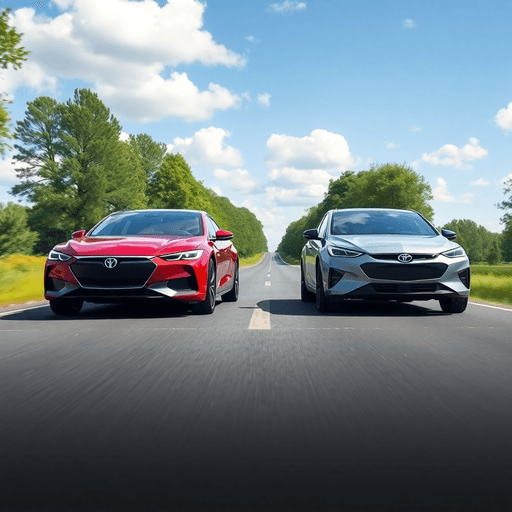
Every year, more drivers ask the same question: How can I save money on fuel, cut my carbon footprint, and still get a car that fits my lifestyle? As 2025 approaches, the search for smarter, cleaner vehicles is only heating up. From rising petrol prices to city clean air mandates, choosing the right car has never felt more urgent—or more personal.
Hybrid and plug-in hybrid vehicles are no longer niche. They’re mainstream options for anyone seeking a practical blend of eco-friendliness, cost savings, and everyday convenience. Whether you drive in downtown traffic or hit the open highway, these technologies promise to change your experience behind the wheel.
- Hybrids mix petrol power with electric efficiency—no charging required.
- Plug-in hybrids take things further, letting you drive longer distances on pure electricity if you have access to charging.
The real challenge? Deciding which approach matches your needs best. That’s where this Hybrid vs Plug-in Hybrid: Which Should You Buy in 2025? guide comes in. This hybrid car buying guide answers questions for first-timers and seasoned drivers alike, focusing on what matters most: value for your budget, impact on the planet, and day-to-day practicality.
As you weigh your options for 2025’s most popular fuel-efficient vehicles, consider incorporating some eco-friendly practices into your driving habits. Gamification: Turn Eco-Friendly Driving into a Game! Discover how gamification turns eco-friendly driving into a fun challenge. You can earn rewards for sustainable choices and boost your green impact with gamification.
Additionally, while you’re making a decision about which vehicle to purchase, it’s crucial to think about maintaining its condition over time. Protect Your Car with These Top-Rated Covers to shield it from various weather conditions and keep it looking pristine year-round.
If you ever find yourself needing to sell your truck quickly, there are top online platforms available that can help you find buyers efficiently in the digital marketplace.
Finally, as we move towards a more sustainable future in auto manufacturing, it’s worth exploring eco-friendly car materials that are revolutionizing the industry. Understanding these aspects can significantly enhance your overall driving experience and contribute positively to the environment.
Understanding Hybrid and Plug-in Hybrid Vehicles
Hybrid vehicles explained
Regular hybrids, often called HEVs (Hybrid Electric Vehicles), combine a petrol engine with an electric motor. The vehicle seamlessly switches between—or even blends—power from both sources. You don’t need to plug in a regular hybrid. Instead, the battery recharges automatically through regenerative braking and by drawing excess energy from the engine during driving. This setup delivers improved fuel efficiency, especially in city traffic where stop-start conditions are common.
Plug-in hybrid benefits
Plug-in hybrids (PHEVs) allow you to drive significant distances—often 40 km or more—using electricity alone before the petrol engine kicks in. Charging can be done at home via a standard outlet or using public charging stations for quicker turnaround.
Comparing Hybrid vs PHEV Technology
When comparing hybrid vs PHEV technology, three key differences stand out:
- Battery size: Plug-in hybrids use much larger batteries than regular hybrids, enabling longer electric-only range.
- Charging methods: Hybrids rely solely on internal systems for recharging; PHEVs add external charging options.
- Driving modes: PHEVs typically offer selectable EV (electric-only), hybrid, or combined modes—giving you more control over how each power source is used.
This technical split is vital for buyers weighing daily driving patterns against convenience and charging access. It’s also important to consider how technology impacts vehicle valuation, as features like hybrid technology can affect resale value. Additionally, if you’re contemplating the future of vehicles including self-driving cars, staying updated on new laws and regulations for self-driving cars is crucial. While we focus on cars here, it’s worth noting that similar principles of must-have safety features when buying a bike apply across all vehicles. Lastly, regardless of the type of vehicle you choose, ensuring better visibility with top windshield wipers is essential for safe driving in any weather conditions.
Benefits of Regular Hybrids in 2025
Regular hybrid vehicles stand out for their practical advantages, especially as fuel efficiency and convenience shape car buying decisions in 2025.
1. Fuel Savings in Real-World Conditions
Hybrid systems use both a petrol engine and an electric motor, delivering impressive fuel efficiency—particularly during stop-and-go city driving. Regenerative braking captures energy usually lost during braking, converting it into battery power. This constant energy recycling means you spend less at the pump without changing your driving habits.
2. No External Charging Required
One of the biggest benefits of regular hybrids is the lack of dependence on charging stations. You never need to plug in; the vehicle’s battery automatically charges itself while you drive. For drivers living in apartments or areas with limited access to home or public chargers, this removes a major barrier to owning an electrified vehicle.
3. Affordable Hybrid Cars for Every Budget
Regular hybrids typically come with a lower purchase price compared to plug-in hybrid models. If you’re seeking affordable hybrid cars without sacrificing modern features or safety, a hybrid offers excellent value upfront—often with competitive financing or lease deals. If you’re considering financing options, you might find it helpful to explore how to finance a used car for more insights.
4. Broad Selection Across Vehicle Types
Automakers now offer hybrids across every segment—sedans, hatchbacks, SUVs, even trucks. Whether you need a compact commuter or a family SUV, choices are abundant from brands like Toyota, Honda, Ford, and Hyundai.
These factors make regular hybrids especially attractive for urban drivers or anyone prioritizing hassle-free ownership and cost savings.
Benefits of Plug-in Hybrids in 2025
Plug-in hybrids (PHEVs) stand out for their ability to deliver extended electric-only driving—often exceeding 40 km on a single charge. This electric-only driving range allows many daily commutes and errands to be completed without burning a drop of petrol. When you keep the PHEV’s battery charged at home or work, you can dramatically cut your fuel expenses and reduce tailpipe emissions.
The dual powertrain design means you’re never locked into one fueling method. On longer journeys, the petrol engine seamlessly takes over when the battery is depleted, eliminating range anxiety that pure electric vehicles sometimes create. However, with advancements like vehicle-to-grid technology (V2G), there are even more possibilities. This technology enables electric cars to not only power your home but also reduce energy costs and support the grid during peak demand periods.
Whether you’re tackling city traffic or heading out for a weekend trip, this flexibility means your travel plans are never limited by charging station availability. Plug-in hybrid advantages also include potential savings through government rebates, tax credits, or lower running costs if you maximize electric driving. The PHEV cost-benefit analysis often reveals higher upfront prices compared to standard hybrids, but lower fuel costs and regular charging can tip the scales financially over time.
Many buyers find these models especially appealing in regions with strong incentives for low-emission vehicles. However, it’s essential to consider auto financing options to secure the best rates when purchasing such vehicles. When comparing Hybrid vs Plug-in Hybrid: Which Should You Buy in 2025?, PHEVs reward those who have access to regular charging and want to maximize both efficiency and flexibility in their daily drive.
Key Factors to Consider When Choosing Between Hybrid and Plug-in Hybrid in 2025
Choosing between a hybrid or plug-in hybrid vehicle boils down to matching your vehicle’s capabilities with your daily needs. Each technology offers distinct advantages, but your driving patterns and lifestyle play a crucial role in determining the best fit.
1. Driving Habits: City vs Highway
City Commuters: If most trips are short or involve stop-and-go traffic, hybrids excel—regenerative braking boosts efficiency and you rarely need to worry about charging.
Short Trips: Plug-in hybrids (PHEVs) shine for drivers who often travel under 40–50 km per day. Electric-only mode covers these journeys, delivering substantial fuel savings.
Highway Mileage: Frequent highway driving can diminish the electric advantage of PHEVs; the petrol engine takes over at higher speeds, making regular hybrids just as effective for long-distance commuters.
2. Charging Infrastructure Access
Home Charging: A dedicated parking spot with a power outlet is almost essential for PHEV owners. Without easy charging at home or work, much of the electric benefit is lost.
Public Charging Network: Urban drivers or apartment dwellers should consider the local availability of public chargers before opting for a plug-in hybrid.
3. Budget Considerations
Initial Cost: Hybrids tend to be more affordable upfront compared to plug-in hybrids.
Long-Term Savings: Regularly charging a PHEV can slash fuel bills and potentially qualify you for government incentives. Maintenance costs are similar, but battery replacement can vary; check manufacturer warranties for peace of mind.
For anyone comparing hybrid buying tips, weigh how often you’ll use electric-only driving against the realities of your daily routine and local infrastructure. Matching your choice to real-world habits ensures satisfaction and maximizes value.
The maintenance experience between these vehicles also deserves close attention—battery care requirements and service intervals can impact ownership over time. It’s worth investing in tools like OBD-II scanners to diagnose car issues yourself, saving money and time on troubleshooting vehicle problems.
As we look towards 2025, it’s important to stay informed about the future of auto financing, including economic shifts, consumer demands, and tech advancements that are shaping the industry.
Ownership Experience and Maintenance Insights for Hybrids vs Plug-in Hybrids
Regular maintenance directly impacts vehicle longevity hybrids. By following factory-recommended intervals for oil changes, filter replacements, and brake inspections, owners typically enjoy longer engine life and fewer breakdowns. Both hybrids and plug-in hybrids benefit from regenerative braking systems, which reduce brake wear and extend component life.
Hybrid Maintenance Tips
Hybrid maintenance tips focus on:
- Keeping software up to date
- Ensuring the cooling system for the battery operates efficiently
- Checking tire pressure frequently for optimal fuel economy
These simple routines help maintain performance—especially valuable in urban driving with frequent stop-start traffic.
Unique Upkeep Considerations for Plug-in Hybrids
Plug-in hybrid (PHEV) owners face unique upkeep considerations:
- Battery health management becomes more critical with larger batteries. Regular charging from a home charger or public station is essential to maximize electric range and battery lifespan.
- Avoiding deep discharges or leaving the vehicle unplugged for extended periods helps prevent premature battery degradation.
- PHEP upkeep costs may be higher due to more complex charging hardware and occasional need for specialized diagnostic checks.
Both vehicle types require less frequent servicing of internal combustion components compared to traditional petrol cars. With attention to these details, hybrid and PHEV owners can expect reliable performance with manageable running costs.
Environmental impact remains at the forefront of ownership discussions, shaping both consumer habits and industry standards. However, it’s not only about cars; similar principles apply to other forms of ownership like boat ownership, which comes with its own set of maintenance and safety considerations.
On the tech front, there are various DIY Car Safety Tech Upgrades that owners can install themselves to boost their vehicle’s safety. Additionally, maintaining a pleasant driving experience can also be achieved through simple measures such as using the best car air fresheners available in the market.
Lastly, for those who prefer a clutter-free interior while driving, investing in the best wireless charging pads could streamline your driving experience significantly.
Environmental Impact Comparison
Low-emission vehicles are reshaping the automotive landscape in both the USA and Australia. When you compare emissions between hybrids and plug-in hybrids, both options mark a clear step forward from traditional petrol cars.
1. Hybrid Vehicles
Hybrid vehicles reduce tailpipe emissions by switching seamlessly between electric motor and petrol engine as needed. In city driving, especially, the electric assist cuts fuel use and lowers CO₂ output—making hybrids a reliable choice for eco-friendly vehicles in urban settings.
2. Plug-In Hybrid Electric Vehicles (PHEVs)
Plug-in hybrid electric vehicles (PHEVs) take emissions savings further when charged regularly. With larger batteries and fully electric driving modes (often 40 km or more), PHEVs can complete daily commutes with zero tailpipe emissions. For drivers who keep their battery topped up, this means gasoline use drops dramatically and so do greenhouse gas emissions.
Government clean air initiatives drive adoption of these technologies. In the USA, federal and state incentives reward buyers of low-emissions vehicles and cities like Los Angeles and New York promote hybrid and plug-in models through rebates or special parking access. Australia’s growing clean transport policies include emissions targets for new vehicles and incentives in states such as New South Wales and Victoria.
Both hybrids and PHEVs play an active role in helping meet emissions goals while delivering practical benefits to drivers.
This emissions comparison hybrid vs plug-in hybrid shows that each offers a real-world solution for eco-conscious buyers. The right fit depends on your charging habits, commute length, and commitment to lowering your carbon footprint—essential questions when asking: Hybrid vs Plug-in Hybrid: Which Should You Buy in 2025?
While considering the environmental impact of your vehicle choice, it’s also essential to think about air quality inside your car. For instance, exploring options like car air purification tech can significantly enhance the quality of air you breathe during your drives.
Furthermore, if you’re opting for a hybrid or PHEV, you might want to ensure you’re making the most out of your vehicle’s capabilities. This is where top GPS trackers for cars come into play. These devices not only enhance safety but also help monitor your vehicle effectively.
Lastly, as we strive for cleaner cars, we should also consider alternative fuel sources. Biofuels are revolutionizing the automotive industry by reducing emissions significantly while providing a sustainable power source for our vehicles.
Conclusion
Making the best choice—hybrid or plug-in hybrid—depends on your unique driving habits and daily access to charging. If most of your trips are short and you have easy home or workplace charging, a PHEV could maximize electric-only driving and lower your fuel costs. Regular hybrids offer reliable savings without any need for plugging in, making them a practical option if charging is inconvenient or unavailable.
Ask yourself:
- Do you drive mostly in the city, with frequent stop-and-go traffic?
- Is home or public charging accessible and reliable in your area?
- Are you seeking the lowest upfront cost, or do you prefer long-term fuel savings?
For detailed car buying advice in 2025, including expert comparisons on “Hybrid vs Plug-in Hybrid: Which Should You Buy in 2025?”, explore the latest guides and reviews on Drive FAQ. Their platform not only provides insights into hybrid vehicles but also covers other important areas such as boat buying trends which are shaping the marine industry, and offers a comprehensive guide to refinancing your car loan which can be invaluable for those considering financial adjustments.
Ready to compare models or learn more? Visit Drive FAQ’s hybrid buying section now.
FAQs (Frequently Asked Questions)
What are the main differences between hybrid and plug-in hybrid vehicles in 2025?
Hybrid vehicles combine a petrol engine with an electric motor without external charging, using regenerative braking to improve fuel efficiency. Plug-in hybrids (PHEVs) have larger batteries that can be charged externally, allowing for significant electric-only driving ranges of 40 km or more, offering greater fuel savings when charged regularly.
What are the benefits of choosing a regular hybrid car in 2025?
Regular hybrids offer excellent fuel savings, especially in stop-start city driving, due to their regenerative braking and engine assist. They require no external charging, making them convenient for drivers without easy access to chargers. Additionally, hybrids typically have a lower purchase price and are widely available across various vehicle types including cars, SUVs, and trucks.
Why might a plug-in hybrid be a better choice for some drivers in 2025?
Plug-in hybrids provide the flexibility of driving significant distances on electric power alone, dramatically reducing fuel consumption when charged regularly. They also include a petrol engine backup for longer trips without range anxiety. Although they have higher upfront costs, these can be offset by fuel savings and government incentives.
What factors should I consider when choosing between a hybrid and a plug-in hybrid car?
Consider your driving habits such as city versus highway mileage and frequency of short trips suitable for electric-only mode. Access to convenient charging infrastructure at home or work is critical for plug-in hybrids. Budget constraints including initial purchase price and long-term fuel and maintenance savings should also influence your decision.
How do maintenance and ownership experiences differ between hybrids and plug-in hybrids?
Both vehicle types benefit from regular maintenance that enhances longevity and performance. However, plug-in hybrids require more attention to battery care due to the need for regular charging management. Understanding these differences helps optimize vehicle performance and ownership satisfaction.
How do hybrid and plug-in hybrid vehicles impact the environment compared to traditional petrol cars?
Both hybrids and plug-in hybrids contribute significantly to lower emissions compared to conventional petrol vehicles. They play an important role in supporting government clean air initiatives in countries like the USA and Australia by reducing greenhouse gas emissions and promoting eco-friendly transportation options.