
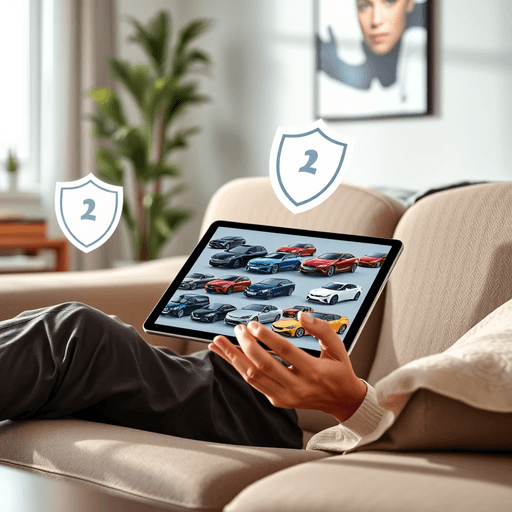
Shopping for your next car from the comfort of your couch sounds like a dream. By 2025, buying a car online is not only more popular—but also easier than ever before. With just a few clicks, you can sift through thousands of vehicles ranging from SUVs and trucks to certified pre-owned cars. Yet, this convenience comes with new risks: scams, misrepresented vehicles, and hidden costs are all too common for unwary buyers.
Safety and due diligence aren’t optional—they’re essential if you want a secure and smooth online car purchase. The guide Best Practices for Safely Buying a Car Online in 2025 will walk you through every key step:
- Researching market value and hidden costs
- Verifying safety ratings and seller legitimacy
- Running thorough vehicle history checks
- Securing documentation post-purchase
You’ll learn how to protect yourself before and after closing the deal. Whether you’re hunting for your first EV or upgrading to a family SUV, these best practices help you shop smart—without the stress.
As we look towards the future of auto financing in 2025, it’s crucial to stay informed about key trends including economic shifts, consumer demands, and tech advancements shaping the industry.
While you’re exploring online platforms to sell trucks quickly or purchase a boat online safely, remember that thorough research is key. For instance, when buying a vehicle online, ensure you verify sellers and protect your investment.
Additionally, once you’ve made your purchase, maintaining your vehicle’s condition is essential. You might want to consider some of the best car air fresheners to keep your ride smelling fresh or look into top GPS trackers for cars in 2024 which can enhance safety by monitoring your vehicle.
Whether you’re looking for tips on safe online purchases or seeking advice on maintaining your vehicle post-purchase, there’s a wealth of information available to help you navigate this digital marketplace successfully.
Benefits of Buying a Car Online in 2025
Embracing the advantages of online car buying in 2025 gives you immediate access to a wider range of vehicles than any traditional dealership lot. From the comfort of your living room, you can browse thousands of listings for cars, SUVs, trucks, and certified pre-owned vehicles—each with detailed photos, video walkarounds, and transparent history reports.
1. Broader Selection
Nationwide and global inventories become available at your fingertips. Whether you’re after an electric crossover, rugged ute, family SUV, or a rare spec sedan, online platforms break down geographic barriers. Certified pre-owned options often include warranty extensions and quality checks for added peace of mind. Additionally, the rise of boat buying trends suggests that similar online buying strategies could be applied to other vehicle types like boats.
2. Convenience and Control
Shopping online means no pressure from salespeople. You can compare prices, safety ratings, fuel efficiency data, and trim features without leaving home. Many sites feature advanced search filters—sort by budget, mileage, autonomous tech features, or model year to streamline your shortlist. This control extends beyond cars; for instance, DIY car safety tech upgrades can also be researched and implemented at home.
3. Cost Savings
With real-time market data readily accessible, you gain negotiation power. Price comparison tools and transparent seller ratings help identify fair deals fast. Many buyers report saving hundreds—or even thousands—by leveraging instant access to competitor pricing and recent sales benchmarks.
4. Influence of Autonomous Technology
The growing presence of driver-assist systems and semi-autonomous capabilities is changing how buyers prioritize features. Online marketplaces prominently showcase these details, letting you target vehicles equipped with the latest technology that fits your driving needs.
Furthermore, the shift towards solar-powered cars is revolutionizing eco-friendly travel and should be considered when making a purchase.
The digital shift in car buying is not just about convenience—it’s about making smarter decisions with more information at your disposal. The next step is understanding how to safely navigate this process before making a commitment. Also worth noting is the emerging trend of how electric cars can power your home with V2G technology, a factor that could influence your buying decision as well.
Pre-Purchase Best Practices for Safe Online Car Buying
1. Research Vehicle Market Value and Costs
The best protection against overpaying or falling victim to scams begins with strong vehicle research. Start by identifying the fair market value for your preferred car, SUV, truck, or certified pre-owned vehicle. Reliable sources include Kelley Blue Book (KBB), Edmunds, RedBook, Drive’s latest market reviews, and manufacturer-approved pricing tools. These resources help you compare prices across regions and sellers—giving you powerful negotiation leverage.
On-road costs can catch buyers off guard if not calculated upfront. The operating costs vehicle owners face in 2025 are more complex than just sticker price:
- Registration fees: Each state or territory sets its own rates for new and used registrations; some also require emissions certifications.
- CTP insurance: Compulsory Third Party (CTP) insurance is mandatory in Australia. In the US, minimum liability coverage varies by state.
- Stamp duty or sales tax: Calculate this based on your local DMV or RMS rules—it often adds a significant percentage to your budget.
- Servicing and spare parts: Research the average maintenance costs for your chosen model—hybrids, EVs, or vehicles with advanced sensors may have higher service fees.
- Fuel efficiency and running costs: Use government databases (such as fueleconomy.gov or Green Vehicle Guide) to compare annual fuel consumption.
- Extended warranties and prepaid service plans: Certified pre-owned vehicles may offer these options for added peace of mind.
“Buyers who accurately estimate total ownership expenses avoid costly surprises down the road.” – Drive FAQ Team
A thorough understanding of market value car pricing puts you in control during negotiations. Factoring in every aspect of ongoing costs ensures your online purchase stays within budget—not just now but long-term. This approach is a core part of the Best Practices for Safely Buying a Car Online in 2025 and sets you up for a confident transaction.
Additional Considerations
If you’re also considering selling a vehicle as part of this process, perhaps a boat as well, you might find these expert tips on selling your boat fast useful.
In case you encounter any issues with your vehicle post-purchase, having access to OBD-II scanners could help diagnose problems yourself and save on repair costs.
For those interested in exploring boat ownership, this guide offers comprehensive insights into maintenance, safety, costs, and regulations.
If you’re looking into financing options for a used car purchase, our article on how to finance a used car may provide valuable information.
2. Verify Vehicle Eligibility and Safety Ratings
A critical step in your vehicle research is confirming the car’s eligibility and safety profile before committing to a purchase. In 2025, advanced tools make it straightforward to access up-to-date vehicle safety ratings and emission star rating vehicles data for any model you’re considering.
Check Safety Ratings
Visit recognized sources such as NHTSA (USA) or ANCAP (Australia) to review crash test results and compare the latest safety technology. Features like autonomous emergency braking, adaptive cruise control, and lane-keeping assist now influence both insurance premiums and resale value. It’s also important to stay informed about the new laws and regulations for self-driving cars, which are shaping the future of vehicle safety standards.
Evaluate Fuel Efficiency & Emissions
Look for official emission star ratings and real-world consumption figures. Lower emissions can translate into tax incentives or registration discounts, while higher efficiency pays off in everyday running costs. You might even consider gamification to turn eco-friendly driving into a game, which could help you earn rewards for sustainable choices.
Confirm License Compatibility
Not every car suits every license type. For example, P1/P2 provisional drivers in Australia face restrictions on high-performance or modified vehicles. Always verify eligibility based on your current driver’s license to avoid legal headaches after purchase.
These checks ensure you invest not just in a car that looks good online but one that meets strict roadworthiness, safety, and legal requirements. Additionally, understanding the impact of technology on vehicle valuation can provide valuable insights into how features like in-car tech and safety advancements affect resale value.
3. Conduct Thorough Vehicle History and Status Checks
Ordering a vehicle history report is a non-negotiable step when buying a car online. This document provides hard facts that protect you from hidden issues and future headaches. The report should confirm if the car has ever been written off, stolen, or involved in serious accidents. It also lists previous owners, which helps with independent inspection planning and tracking down accurate service records.
A critical part of vehicle research involves checking the Personal Property Securities Register (PPSR) in Australia or similar databases in the USA. This search uncovers any outstanding loans or finance owing on the car. If a seller hasn’t paid off their loan, the lender could legally repossess the vehicle even after you’ve bought it. Without this check, buyers risk losing both money and their new ride.
Key details to confirm in your vehicle history check:
- Current legal owner and title status
- History of thefts or write-offs
- Odometer rollbacks or inconsistencies
- Outstanding finance flagged through PPSR
Independent inspection and seller verification both rely on accurate historical data. These steps—along with later sections on registration transfer, insurance, and post-purchase documentation—build a secure framework for online car buying. Each layer of due diligence addresses different risks, so skipping this stage leaves dangerous gaps in protection.
4. Insist on Independent Vehicle Inspection and Test Drives Where Possible
Relying solely on photos and seller claims can leave you exposed to hidden mechanical issues or safety risks. Independent vehicle inspection is a core step in any list of Best Practices for Safely Buying a Car Online in 2025. A qualified mechanic will check for accident damage, frame integrity, fluid leaks, worn brakes, and other expensive faults that might not show up on a basic vehicle history check.
Key benefits of independent inspections:
- Mechanical soundness: Identifies engine, transmission, suspension, and electrical problems.
- Safety compliance: Confirms airbags, seatbelts, lights, and advanced driver aids function as designed.
- Objective report: Offers leverage if negotiating price based on uncovered defects or deferred maintenance.
Whenever possible, arrange a test drive—even if it means meeting at the dealership or using a third-party service that accommodates online buyers. This direct experience reveals issues such as odd noises, poor handling, faulty climate control, or warning lights that could impact your decision.
Online sellers increasingly offer virtual walkarounds or remote test drive options. While not a substitute for hands-on driving, these can supplement your vehicle research and seller verification efforts.
It’s also important to consider the car’s air quality during your test drive. Modern vehicles come equipped with advanced car air purification technology, which can significantly enhance the driving experience by providing cleaner and healthier air inside the vehicle.
5. Verify Seller Credentials and Legitimacy
Seller verification is one of the most critical steps in any vehicle research process. Unlicensed or illegitimate sellers present significant risks, including fraud, stolen vehicles, or even non-existent listings. To protect yourself, always check that a private seller or dealership holds a valid license to operate legally in your state or territory. This is especially important when working with online platforms that may host both private listings and commercial operators.
Key steps for seller verification:
- Request proof of license: For dealerships, ask for their motor dealer license number and cross-check it against state or national registers. For private sellers, confirm they are the registered owner listed on the vehicle’s title.
- Validate contact information: Genuine sellers provide verifiable phone numbers, email addresses, and physical locations. Be wary of vague or evasive answers.
- Confirm vehicle existence: Arrange an independent inspection or viewing before any payment is made. Avoid sellers unwilling to facilitate this; it’s a common red flag.
- Check for consistent documentation: Ensure the seller can provide matching registration papers, service records, and identification.
Scam avoidance relies on vigilance—never send money before confirming both the legitimacy of the seller and the physical existence of the car. These best practices for safely buying a car online in 2025 work hand-in-hand with vehicle history checks, independent inspections, and understanding market value car data—all topics covered throughout this guide.
Licensed motor dealer verification lays the foundation for secure transactions, which leads directly into post-purchase best practices like obtaining comprehensive proof of purchase documentation and completing timely registration transfers.
Post-Purchase Best Practices for a Secure Transaction
1. Obtain Comprehensive Proof of Purchase Documentation
Securing thorough documentation after buying a car online is your first line of defense if disputes arise or issues surface later. A poorly documented sale can put your rights and ownership at risk. Prioritizing proper paperwork ensures your investment is legally sound and compliant with local laws.
Key elements to demand in your proof of purchase for any car sale:
-
Detailed Sales Agreement
The contract should list the full legal names and contact information of both buyer and seller. Make sure the document clearly identifies the vehicle, including:- Vehicle Identification Number (VIN)
- Engine number
- Make, model, year, and color
- Odometer reading at time of sale
-
Clear Financial Terms
Every agreement needs to state the total price paid, payment method (bank transfer, certified check, escrow service), and whether any deposit was made. If you’re using dealer or third-party financing, ask for a copy of all loan documents. For those considering financing options, refer to this Car Loan Guide to secure the best rates possible. -
Date and Location of Sale
These details are required by state DMVs or transport authorities during the registration transfer process. Make sure both parties sign and date the document. -
Disclosure Statements
In many states and territories, sellers must note any known defects or previous accident damage. Look for these sections on your agreement—if they’re missing, request an addendum in writing. -
Bill of Sale or Tax Invoice
A bill of sale acts as legal proof that you own the car. In Australia, a tax invoice is required if buying from a dealer or ABN holder; in the US, private sales require a bill of sale with matching VIN.
Never accept verbal agreements alone. Digital signatures via secure platforms are valid in most jurisdictions but always download and save PDF copies for your records.
Pro Tip:
Many online marketplaces now offer standardized digital contracts that automatically populate sales agreement details (VIN, engine number, price). These tools reduce errors and speed up the process—use them where available.
Once proof of purchase is secure, attention shifts to completing all necessary steps for registration transfer and fulfilling payment obligations to ensure seamless ownership transition. If you find yourself needing to adjust your financing terms post-purchase, consider exploring options with our Complete Guide to Refinancing Your Car Loan.
Additionally, as you settle into your new vehicle, you might want to enhance its functionality with some modern tech—check out our recommendations for the Best Wireless Charging Pads for a Clutter-Free Interior which can streamline your driving experience with cable-free charging solutions.
2. Complete Timely Registration Transfer and Payment Obligations
Completing the registration transfer process quickly protects you from legal headaches and unexpected fines. Each state or territory sets a strict vehicle registration transfer timeframe—often within 7 to 14 days of the sale. Missing this deadline can lead to penalties or complications if the car incurs tolls or traffic violations under your name.
- Always reference your proof of purchase car sale—a signed sales agreement detailing the VIN, engine number, odometer reading, and full contact details for both buyer and seller. This document is essential for a smooth transfer.
- Most jurisdictions require both parties to sign official transfer forms. Double-check that all details match your proof of purchase and sales agreement.
- Be prepared to pay vehicle registration transfer fees at the time of lodging paperwork. These costs vary depending on location and vehicle type; some states offer online payment options to speed things up.
- Clear any outstanding road taxes or local levies upfront to avoid delays in processing.
Maintaining accurate records throughout this step ensures full compliance with the Best Practices for Safely Buying a Car Online in 2025, giving you peace of mind as the new registered owner.
3. Secure Required Insurance Coverage Post-Sale
Securing the right insurance is a legal and financial safeguard after finalizing your online car purchase. Without valid coverage, you risk significant out-of-pocket expenses and legal penalties. The registration transfer process usually requires proof of insurance before completion.
Essential types of car insurance to consider:
- Compulsory Third Party (CTP) Insurance / Green Slip: Required by law in most US states and all Australian jurisdictions, CTP covers injury claims by other people if you’re involved in an accident. Most vehicle registration authorities won’t process a registration transfer without evidence of a current green slip.
- Comprehensive Insurance: Covers damage to your own vehicle, theft, fire, vandalism, and third-party property damage. Comprehensive policies often offer added peace of mind, especially for higher-value or financed vehicles.
- Sales Agreement Details: Double-check that your sales agreement lists the correct VIN and engine number—the insurer uses these details to match coverage to your specific vehicle.
Quick action on insurance prevents gaps in protection during transfer. Always store digital copies of your proof of purchase car sale documents alongside policy certificates to streamline future claims or disputes.
4. Manage Number Plates and Toll Accounts
Number plate management is a critical step in the Best Practices for Safely Buying a Car Online in 2025. After confirming your proof of purchase car sale and completing the registration transfer process, attention shifts to the plates themselves.
1. Standard Plates
Most vehicles come with standard plates that transfer automatically to the new owner during registration. Check your sales agreement details, including VIN and engine number, to ensure plate numbers match your paperwork.
2. Personalized or Custom Plates
If you’re buying or selling a vehicle with personalized plates, clarify in writing whether these will stay with the car or be retained by the seller. Some jurisdictions require specific forms to transfer personalized plates.
3. E-Toll Account Update
Update your e-toll account as soon as ownership changes hands. Add the new vehicle details—registration number, make, and model—to avoid surprise toll invoices or fines.
4. Returning Plates
In cases where registration is not transferred (e.g., unregistered vehicle sales), return the plates to your local transport authority promptly.
Double-check all documents and online accounts for consistency with your updated ownership details—a simple oversight can lead to liability for tolls or traffic infringements after the sale.
Special Considerations for Vehicles with Registration Issues
Handling Expired Registrations (less than 3 months)
Buying a car with an expired registration can be tempting, especially when the price is right. In 2025, strict regulations exist around expired vehicle registration renewal, so it’s critical to understand both the risks and the process if you’re considering such a purchase.
What You Need to Know:
-
Short-Term Lapse (Under 3 Months):
- Most states in the USA and Australia allow for straightforward renewal if the vehicle registration has lapsed for less than 3 months.
- The process typically requires the new owner to pay any outstanding fees, including late penalties.
- A current roadworthy certificate or inspection report may be necessary before renewal can be processed.
-
Documentation Checklist:
- Proof of purchase or transfer of ownership documentation.
- Valid photo ID (matching your driver license type).
- Roadworthy/safety inspection certificate (required in many jurisdictions).
- Previous registration papers (if available).
-
Potential Risks:
- Driving an unregistered vehicle is illegal and may void insurance coverage during transit or test drives.
- If tolls are incurred while unregistered, you may face additional penalties or fines.
-
Tips for Safe Transactions:
- Arrange for the vehicle to be transported rather than driven if registration has lapsed.
- Clarify with your local DMV/RTA what paperwork is needed for expired vehicle registration renewal before making payment.
- Use secure payment methods and ensure all paperwork is completed before taking possession.
Expired registrations under three months are usually easier to resolve but demand attention to detail. Double-check state-specific rules using official government resources or consult expert-led platforms like Drive FAQ for up-to-date guidance.
Re-registering Cancelled Registrations (expired over 3 months)
When a vehicle’s registration has lapsed for over three months, the process shifts from a simple renewal to a full re-registration. This impacts your purchase, as you’ll need to:
- Book an official inspection: Most states require a detailed roadworthy or safety inspection before approving re-registration. This step uncovers any mechanical or compliance issues.
- Provide identity and ownership documents: Bring proof of purchase, personal ID, and any previous registration paperwork.
- Pay all applicable fees: Expect charges for inspection, new plates, stamp duty, and registration—factor these into your total cost.
- Check for outstanding finance or suspensions using the PPSR before proceeding.
- Review state-specific requirements via your local transport authority to avoid delays in reactivating expired vehicle registration renewal suspended cancelled registrations.
This approach keeps you compliant and reduces risk when following Best Practices for Safely Buying a Car Online in 2025.
Addressing Suspended Registrations
When a vehicle’s registration is suspended—often due to unpaid fines, insurance lapses, or compliance issues—it cannot be legally driven, sold, or transferred until reinstated. If you’re considering a purchase with a suspended or expired vehicle registration renewal status, confirm the exact reason for suspension through the state transport authority. To reactivate:
- Settle outstanding fines or fees listed on the suspension notice.
- Provide proof of compulsory insurance (such as CTP in Australia).
- Complete inspection requirements if mandated.
- Apply for reinstatement online or at a service center; some jurisdictions require all penalties cleared before processing.
Always verify that the seller has completed these steps before transferring ownership to avoid inheriting cancelled registrations or unresolved suspensions.
Frequently Asked Questions (FAQs) About Buying Cars Online Safely in 2025
1. How do I avoid scams when buying a vehicle online?
- Always verify the seller’s identity and licensing.
- Confirm the car’s existence with video calls or independent inspections before sending payment.
- Use secure payment methods—never wire money to unknown accounts.
2. What documents should I receive after an online car purchase?
- Comprehensive proof of purchase (invoice, contract)
- Transfer of registration forms
- Vehicle history and inspection reports
3. Is it safe to buy cars without a test drive?
While virtual showings are common, arranging a professional inspection or remote test drive remains a best practice for peace of mind.
4. Can I negotiate price when buying online?
Yes. Research market value using tools like RedBook, Kelley Blue Book, or CarsGuide for negotiation leverage.
5. What are the Best Practices for Safely Buying a Car Online in 2025?
- Conduct thorough research on price, safety ratings, and history checks.
- Insist on independent inspections.
- Secure all paperwork and complete timely registration transfer after purchase.
Additional Considerations for Eco-Friendly Car Purchases
As we move further into 2025, eco-friendly car materials are becoming increasingly popular in the automotive industry. These materials not only reduce the environmental impact but also represent the future of auto manufacturing.
Moreover, biofuels, which are gaining traction as a cleaner alternative to traditional fuels, could be an important consideration when purchasing a vehicle online. Understanding these trends can provide valuable insights into making more sustainable choices in your next car purchase.
FAQs (Frequently Asked Questions)
What are the key benefits of buying a car online in 2025?
Buying a car online in 2025 offers convenience, access to a broader selection including cars, SUVs, trucks, and certified pre-owned vehicles, the ability to compare prices, safety ratings, and features from home, potential cost savings through market research-based negotiation, and integration of autonomous technology influencing consumer preferences.
How can I research the fair market value and operating costs before purchasing a vehicle online?
To research fair market value, use trusted online platforms to compare prices of similar vehicles. Consider on-road costs such as registration fees, compulsory third-party (CTP) insurance, stamp duty, servicing expenses, and spare parts availability to understand the total cost of ownership.
Why is it important to verify vehicle eligibility and safety ratings when buying a car online?
Verifying vehicle eligibility ensures the car matches your driver license type (e.g., P1/P2 provisional licenses), while checking safety ratings and emission star ratings helps you make informed decisions about fuel efficiency and safety compliance for your protection.
What steps should I take to conduct thorough vehicle history and status checks before an online car purchase?
Order detailed vehicle history reports that reveal stolen status, write-offs, prior owners, and accident history. Search the Personal Property Securities Register (PPSR) to uncover any outstanding loans or finance on the vehicle to avoid legal complications.
How do independent inspections and test drives contribute to safe online car buying?
Independent professional inspections assess mechanical soundness and safety compliance beyond seller claims. Arranging test drives where possible allows you to personally evaluate the vehicle’s condition despite purchasing online, reducing risks associated with unseen defects.
What post-purchase best practices ensure a secure transaction after buying a car online?
Obtain comprehensive proof of purchase documentation including sales agreements with VIN and engine numbers. Complete timely registration transfer within required timeframes paying applicable fees. Secure compulsory third-party or comprehensive insurance coverage promptly. Manage number plate transfers and update e-toll accounts as needed for legal compliance.