
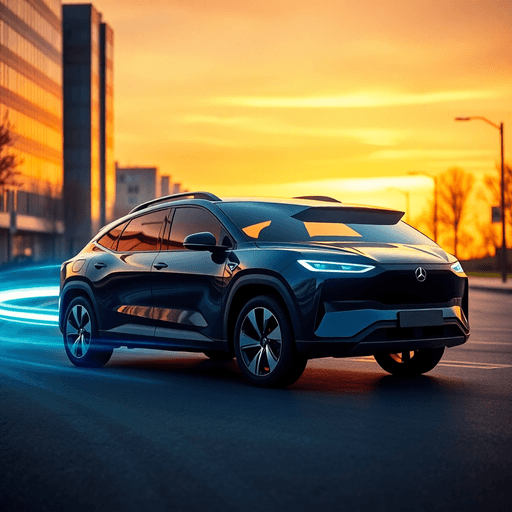
Leasing a car in 2025 stands out as a smart, flexible alternative to traditional vehicle ownership. With rapid changes in technology, shifting consumer habits, and evolving financial conditions, car leasing trends in 2025 are reshaping how drivers approach getting behind the wheel. Whether you’re eyeing the latest electric SUV, a fuel-efficient sedan, or a rugged truck for your next adventure, understanding these trends is key.
Leasing offers lower monthly payments, access to newer models every few years, and fewer long-term maintenance worries compared to buying.
Market shifts—like rising residual values and new incentives—can directly impact what you pay and what’s available on lease.
This guide highlights the most important Car Leasing Trends and Tips for Getting the Best Deal in 2025. You’ll find actionable advice for comparing offers and negotiating smarter leases, all rooted in this year’s market insights. Unlock better deals by staying informed—your next lease could be your best yet.
In addition to car leasing trends, it’s also worth noting that similar trends are emerging in other areas such as boat buying, which is shaping the marine industry with new consumer preferences and market shifts.
If you’re considering financing options for your vehicle, our comprehensive car loan guide will provide you with essential information on securing the best rates.
Furthermore, as we move towards more advanced technology in vehicles, understanding the new laws and regulations for self-driving cars is becoming increasingly important.
For those interested in two-wheeled vehicles, knowing the must-have safety features when buying a bike can greatly enhance your riding experience.
Lastly, if you’re a classic car enthusiast, understanding key considerations when valuing classic cars in today’s market can help you make informed decisions.
Understanding Car Leasing Basics
Car leasing explained simply: you pay to drive a new car for a set period, typically two to four years, without owning it outright. Unlike buying or financing, you’re not building equity; instead, you’re essentially renting the vehicle and returning it at lease end unless you choose to buy it.
Key Lease Terms
Key lease terms shape your deal:
- Capitalized Cost: The negotiated price of the car. Lowering this figure directly reduces your monthly payment.
- Money Factor: The interest rate on your lease. Multiply the money factor by 2,400 to approximate an annual percentage rate (APR).
- Residual Value: What the vehicle is expected to be worth at the end of the lease. Higher residual values mean lower depreciation and smaller monthly payments.
- Mileage Limits: Most leases set annual mileage caps (commonly 10,000–15,000 miles/year). Exceeding these triggers costly per-mile penalties—often 12 to 30 cents per mile.
Types of Leases
Three main types of leases are available in 2025:
- Closed-End Lease: You return the car with no obligation beyond excess wear or mileage fees—ideal for predictability.
- Open-End Lease: Typically used by businesses; you may owe more if the vehicle’s market value falls short at lease end.
- Single-Pay Lease: Pay the full lease amount upfront for possible interest savings and easier approval with weaker credit.
The Role of Credit Score
Your credit score plays a crucial role in lease eligibility and terms. Prime scores (usually 700+) unlock better money factors and incentives. Subprime applicants may face higher costs or require larger upfront payments.
Understanding these fundamentals arms you to compare deals intelligently as new 2025 leasing trends reshape offers across sedans, SUVs, trucks, and electric vehicles.
To ensure your leased vehicle remains in top condition during your leasing period, consider investing in high-quality car covers, which provide all-weather protection.
Moreover, if you’re looking to make eco-friendly driving choices during your lease term, gamification can turn this into a fun challenge with rewards for sustainable choices.
A pleasant driving experience also includes keeping your car smelling fresh; explore some of the best car air fresheners that can enhance your interior comfort.
Lastly, for those who appreciate technology in their vehicles, consider getting wireless charging pads that offer cable-free charging solutions and help maintain a clutter-free interior.
Key Car Leasing Trends in 2025 You Should Know About
1. Rising Residual Values Drive Lower Payments
Residual values—the estimated worth of a vehicle at lease end—are climbing in 2025. Brands are projecting higher resale prices due to robust demand for used vehicles and improved durability, especially among SUVs and hybrid cars. This trend is partly influenced by understanding the impact of technology on vehicle valuation, which includes the rise of electric vehicles with advanced features. For you, this means lower monthly lease payments, since the difference between the initial value and residual value is what you actually finance throughout your lease. Higher residuals make leasing more attractive than ever for budget-conscious drivers.
2. Electric Vehicle Leases Surge in Popularity
Leasing an electric vehicle (EV) in 2025 is no longer niche. Battery technology keeps improving, delivering longer ranges and faster charging times for both cars and trucks. Federal and state tax incentives further sweeten the deal on electric vehicle leases in 2025, with many automakers offering special programs for plug-in hybrids and pure EVs. If you’re interested in the latest tech or want to lock in predictable costs as electric models rapidly evolve, leasing offers a low-risk entry point. Moreover, these electric cars can power your home with V2G tech, providing an added layer of convenience and energy cost reduction.
3. Flexible Lease Terms Tailored to Lifestyle
Three-year leases aren’t the only option now. Flexible lease terms are trending upward—manufacturers and dealers offer everything from 18-month ultra-short leases to extended 48- or 60-month agreements. This flexibility helps if you want to change vehicles more often, plan around life changes, or simply avoid long commitments. Whether you drive a lot for work or need something temporary, flexible lease terms put you in control of your driving experience.
These trends combine to reshape how drivers approach car leasing in 2025, whether prioritizing affordability, technology access, or personal flexibility. Additionally, as technology continues to evolve, there are also opportunities for DIY car safety tech upgrades that enhance security on the road. Furthermore, innovations like solar-powered cars are revolutionizing green travel, making eco-friendly transportation more accessible than ever before.
Financial Considerations When Leasing in 2025
As we navigate the landscape of auto leasing in 2025, understanding the future of auto financing is crucial. The impact of inflation on auto financing is front and center for anyone considering a new lease. Higher interest rates can mean steeper monthly payments, making smart financial strategies more valuable than ever.
Before signing a lease, break down the total cost of leasing—not just the monthly payment. Factor in drive-off fees, taxes, maintenance plans, and possible end-of-lease charges.
Lease negotiation tips make a real difference:
-
Negotiate the capitalized cost: Treat this like the car’s purchase price. Research invoice pricing on models you want and push for discounts or incentives dealerships might not advertise.
-
Money factor matters: The money factor acts as your lease’s interest rate. Ask for it directly—convert it to an APR by multiplying by 2,400 so you can compare offers. Even small reductions here can save hundreds over your lease term.
-
Accurately estimate annual mileage: Underestimating mileage leads to penalties ranging from 12 to 30 cents per mile—these add up fast and can erase any savings from a “great deal.” Review your driving habits honestly and consider higher-mileage leases if needed.
By understanding these financial levers, you put yourself in control during lease negotiations. Flexible strategies help ensure you’re not caught off guard by unexpected costs or shifting market rates as part of Car Leasing Trends and Tips for Getting the Best Deal in 2025.
Additionally, it’s worth noting that eco-friendly car materials are becoming more prevalent in the industry, revolutionizing sustainable auto manufacturing. This shift towards green transportation could also influence your leasing decisions.
Moreover, as we explore innovative solutions for cleaner transportation, one might wonder: are biofuels the secret to cleaner cars? These advancements could potentially reshape our understanding of vehicle efficiency and environmental impact.
Staying informed about these trends and adopting smart financial strategies will empower you to make better decisions when leasing a vehicle in 2025.
Maintenance Responsibilities During Lease Term & Tips for Getting the Best Car Lease Deal in 2025
Leasing a car comes with its own set of maintenance expectations and hidden costs. Staying on top of leased car maintenance isn’t just about keeping your ride smooth—it’s about protecting yourself from unexpected charges when you turn the vehicle in.
Lessee Maintenance Obligations
Dealers expect you to handle all routine service, including:
- Oil changes and filter replacements at manufacturer-recommended intervals
- Tire rotations and brake inspections
- Fluid checks and top-ups
- Adhering to any specific requirements for electric or hybrid models
Skipping scheduled maintenance can lead to hefty penalties or voided warranties. Keep service records handy—dealerships usually require proof of proper upkeep at lease return.
Wear and Tear Charges: What Counts?
Leased vehicles are assessed for wear and tear at the end of the lease term. Understanding the difference between normal and excessive wear is key:
- Normal wear: Minor dings, light carpet stains, a few small scratches
- Excessive wear: Large dents, cracked windshields, bald tires, deep upholstery tears
Charges for excessive wear and tear on leased cars can range from $200 to $2,000 or more. Protect yourself by using seat covers, avoiding smoking in the car, and repairing minor damage before lease-end inspections.
Pro tip: Some dealers offer “wear-and-tear protection” add-ons—compare coverage details before signing.
Best Car Lease Tips for 2025
Getting the best deal on a lease goes beyond low monthly payments. Use these strategies:
- Shop Multiple Dealers
Compare offers from several dealerships. Special sales periods—year-end clearances or new model launches—often yield better incentives. - Negotiate Everything
Don’t focus only on monthly payments. Haggle over:- Purchase price (capitalized cost)
- Money factor (interest rate)
- Acquisition/disposition fees
- Manufacturer rebates or loyalty incentives
- Ask About Timing
Leasing at model year-end or during holiday promotions can unlock bigger discounts. - Review Mileage Limits
Choose a mileage allowance that matches your real driving habits to avoid penalties. - Check Add-Ons Carefully
Only accept extras like maintenance packages if they add genuine value.
A proactive approach to leased car maintenance and a well-timed negotiation strategy often leads to substantial savings over the life of your lease agreement.
However, it’s important to remember that car ownership also comes with its own set of responsibilities and costs. If you ever find yourself in a position where you need to sell your vehicle, understanding how to prep, price, and market it effectively can make a significant difference.
Additionally, if you’re interested in diagnosing car issues yourself during the lease period, investing in one of the best OBD-II scanners could save you both time and money by allowing you to troubleshoot problems at home.
Lastly, while we primarily focused on cars here, some of these tips can also be applicable if you’re considering financing a boat.
Pros and Cons of Leasing vs Buying in Today’s Market
Car leasing remains a practical option for drivers who prioritize flexibility and lower monthly costs. When you compare buying vs leasing cars, the distinction comes down to your financial goals, driving habits, and how often you want access to the latest vehicle technology.
Leasing Advantages:
- Lower Monthly Payments: Leasing typically results in lower payments compared to financing a vehicle purchase, freeing up your budget for other expenses or upgrades.
- Access to New Models: You drive a new car every few years, taking advantage of the latest safety features, fuel efficiency improvements, and advancements in autonomous technology.
- Minimal Maintenance Worries: Newer leased vehicles are usually under warranty throughout the lease term, reducing unexpected repair costs.
- Tax Benefits: In some cases—especially for business owners—leasing may offer specific tax advantages.
Leasing Disadvantages:
- Mileage Restrictions: Most leases limit annual mileage (commonly 10,000–15,000 miles). Exceeding this cap triggers costly per-mile penalties.
- No Equity Buildup: Lease payments don’t build ownership or resale value; at lease end, you return the car with no asset retained.
- Early Termination Penalties: Ending a lease early can be expensive due to strict contract terms.
- Customization Limits: Leased vehicles often prohibit modifications or customizations that could impact residual value.
Understanding these leasing advantages disadvantages helps you decide if flexible access to newer vehicles outweighs the benefits of ownership. The right choice should align with your lifestyle and financial strategy as Car Leasing Trends and Tips for Getting the Best Deal in 2025 continue to evolve.
If you do opt for leasing and plan to drive a new model with advanced features every few years, it’s essential to consider upgrading your vehicle’s visibility in any weather conditions. This could include investing in top windshield wipers that ensure clearer, safer driving regardless of the weather.
Frequently Asked Questions (FAQ) About Car Leasing in 2025
Searching for reliable answers to your car leasing FAQ? These are the most common lease questions drivers ask in 2025, with clear guidance for smart decision-making.
What credit score is needed for the best leases?
Here are the key points regarding credit scores and lease offers:
- Prime lease offers usually require a credit score of 700 or higher.
- Some lenders may approve leases with scores as low as 620, but expect higher monthly payments and upfront costs.
- Premium brands and luxury models often demand stricter credit requirements.
- Improving your credit before applying gives you access to competitive money factors, reduced security deposits, and better promotional deals.
Can you customize or modify a leased vehicle without losing value?
Here’s what you need to know about customizing leased vehicles:
- Most lease agreements prohibit significant modifications—including aftermarket wheels, custom paint jobs, or non-OEM electronics.
- Minor changes such as removable accessories are generally acceptable if restored to original condition.
- Permanent modifications typically result in end-of-lease penalties or charges for diminished value.
- Always consult your lessor before making any changes. If customizing matters to you, consider options like official dealer-installed upgrades approved within the lease contract.
Careful review of your lease agreement and direct communication with your dealership will save you from unexpected costs or hassles at turn-in.
For more expert-led leasing tips and essential maintenance products tailored to leased vehicles, browse our recommended resources on Drive FAQ.
Additionally, if you’re considering refinancing options, make sure to check out this comprehensive guide which covers everything from assessing your loan to finding the best rates today.
And for those looking to enhance their vehicle safety and connectivity, exploring the top GPS trackers for cars in 2024 could be beneficial. Get the facts before you sign—knowledge pays off at every stage of your automotive journey.
Conclusion
Making smart vehicle decisions in the rapidly changing 2025 auto market starts with understanding the latest car leasing trends and tips. Using the strategies highlighted in this guide, you can get the best car lease deal—whether you’re eyeing a cutting-edge EV, an SUV for family trips, or a reliable sedan for your commute.
- Leverage current market insights to negotiate confidently with dealerships.
- Pay close attention to factors like capitalized cost, money factor, and mileage limits to avoid hidden costs.
- Stay informed about new incentives and flexible lease terms designed to fit various lifestyles.
Ready to compare offers or need tools to keep your leased car in top shape? Explore our recommended affiliate resources for up-to-date deals and trusted maintenance products. These curated options will help you maximize savings and keep your lease experience hassle-free.
If you’re looking to sell a truck quickly, consider utilizing online platforms that specialize in fast vehicle sales. These platforms allow you to find buyers, compare prices, and close deals efficiently in the digital marketplace.
FAQs (Frequently Asked Questions)
What are the key car leasing trends in 2025 that consumers should know?
In 2025, key car leasing trends include rising residual values which lower monthly lease payments, increased popularity of electric vehicle leases due to improved battery technology and tax incentives, and the availability of flexible lease term options beyond the traditional 36 months to better suit personalized needs.
How does my credit score affect my eligibility and terms for car leasing in 2025?
Your credit score significantly impacts your lease eligibility and terms in 2025. A higher credit score can qualify you for better money factors (interest rates), lower capitalized costs (purchase price), and more favorable lease conditions, helping you secure the best car lease deals.
What financial strategies can help me get the best car lease deal in 2025?
To get the best car lease deal in 2025, negotiate all aspects of the lease including the capitalized cost, money factor, fees, and available incentives. Be mindful of inflation’s impact on auto financing rates and estimate your mileage accurately to avoid costly overage fees. Shopping around multiple dealerships during special sales periods also enhances your chances of finding competitive offers.
What maintenance responsibilities do I have during a car lease term in 2025?
During your lease term in 2025, you are responsible for routine maintenance to keep the vehicle in good condition and avoid penalties at lease end. Understanding what counts as normal versus excessive wear and tear is crucial since excessive damage can lead to unexpected charges after your lease concludes.
Can I customize or modify a leased vehicle without losing value or violating my lease agreement?
Typically, customization or modification of a leased vehicle is restricted. Making unauthorized changes can violate your lease agreement and potentially result in penalties or loss of value at lease end. It’s important to review your specific lease terms before making any modifications.
What are the advantages and disadvantages of leasing versus buying a car in today’s market?
Leasing offers advantages such as lower monthly payments and access to newer models every few years. However, it comes with limitations like mileage restrictions, no equity buildup, and potential early termination penalties. Buying builds equity but usually involves higher monthly payments. Understanding these pros and cons helps make smarter vehicle decisions in 2025.