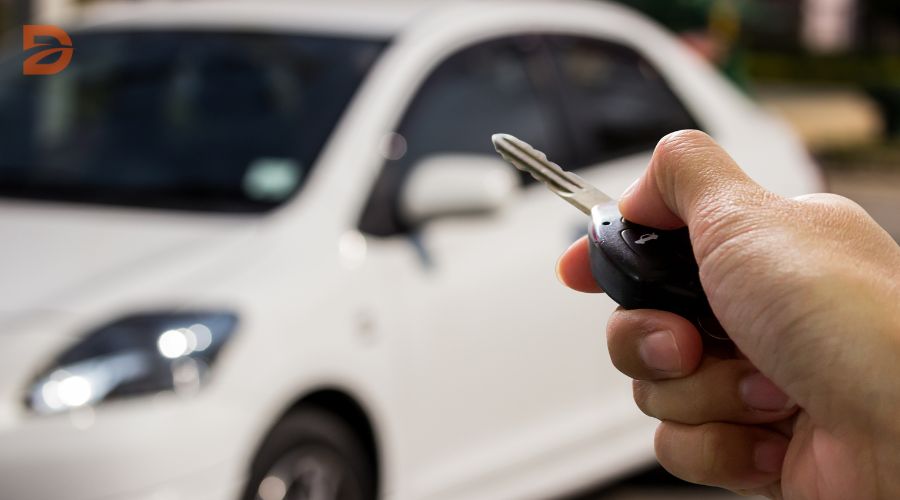

Car theft is a constant threat in urban areas. Cities have higher rates of stolen vehicles due to dense populations, crowded streets, and easy access to escape routes. Thieves often target residential driveways, apartment parking lots, shopping centers, and busy transit stations. They look for unlocked doors, valuables left in plain sight, and cars parked in poorly lit or unmonitored areas.
Why focus on car theft prevention strategies that work in urban areas?
- Urban environments pose specific security challenges for car owners.
- Various types of vehicles—cars, SUVs, trucks—are at risk.
- Thieves employ increasingly sophisticated methods that require smarter countermeasures.
This guide offers practical, proven techniques you can implement right away. Expect actionable advice tailored for city living—including environmental design tips, personal security actions, and technology solutions—to help keep your vehicle safe wherever you park.
In addition to these strategies, it’s also important to consider other aspects of vehicle ownership that can enhance safety and sustainability. For example, adopting eco-friendly driving habits not only reduces your carbon footprint but also makes you more aware of your surroundings, potentially deterring thieves.
Moreover, the interior of your car plays a significant role in your overall driving experience. Maintaining a pleasant atmosphere can be achieved by using the best car air fresheners, which can keep your ride smelling fresh and inviting.
As we move towards a more sustainable future, it’s worth exploring the use of eco-friendly car materials that are revolutionizing auto manufacturing. These materials not only contribute to environmental sustainability but also add value to your vehicle.
For those who might be considering purchasing a bike as an alternative mode of transport, it’s crucial to understand the must-have safety features when buying a bike. Features such as ABS and traction control can significantly enhance your safety on the road.
Lastly, if you’re looking into financial aspects related to vehicle ownership such as loans, our complete guide to refinancing your car loan can provide valuable insights. This guide will help you assess your loan, evaluate finances and find the best rates available today!
Understanding Car Theft in Urban Areas
Urban car theft statistics consistently show higher rates of vehicle crime in cities compared to rural areas. Densely populated environments provide thieves with both opportunity and anonymity, creating persistent vehicle theft hotspots. Common locations include:
- Driveways and residential streets: Thieves target vehicles parked overnight or in poorly lit areas.
- Apartment complex lots: Shared parking spaces often lack surveillance or controlled access.
- Public car parks and transit stations: High turnover and minimal oversight make these prime targets.
Thieves adapt their methods to urban conditions, prioritizing speed and stealth. The most common theft methods include:
- Keyless entry hacking: Devices that intercept or amplify key fob signals allow for silent entry.
- Window smashing and lock picking: Quick access when valuables are visible inside.
- Hotwiring older vehicles: Cars without modern immobilizers remain vulnerable.
Unique challenges in urban areas stem from high population density, limited secure parking, and increased foot traffic. These factors make it easier for thieves to blend in while casing or stealing a vehicle. Law enforcement resources are often stretched thin across large metropolitan zones, leading to delayed response times and lower recovery rates.
Understanding these patterns is essential for developing effective environmental design strategies and community initiatives that directly address the realities of city living.
To mitigate the risks associated with urban car theft, vehicle owners can take proactive measures such as investing in top-rated car covers for added security, utilizing OBD-II scanners for DIY diagnostics to quickly identify any issues, or exploring online platforms to sell trucks quickly if they need to part with their vehicle.
Environmental Design Strategies to Deter Theft
Strong environmental design for security can significantly reduce car theft rates in urban areas. Here are some effective strategies:
1. Improve Lighting
Lighting is one of the most effective ways to deter thieves. Bright and evenly distributed lighting in parking lots eliminates shadows and corners where thieves can hide. Apartment complexes, shopping centers, and public garages that use LED fixtures and regularly maintain their bulbs have reported fewer break-ins.
2. Install Physical Barriers
Adding physical barriers such as electronic gates, bollards, or controlled-access points can provide an extra layer of protection. These measures restrict access to residential garages or private lots, making it more difficult for unauthorized individuals to enter.
3. Maintain Open Sightlines
It’s important to keep sightlines clear in order to increase visibility. Trimming trees, keeping shrubbery low, and ensuring entrances are unobstructed can all contribute to better visibility from the street or nearby windows. Thieves tend to avoid areas where they can be easily seen.
4. Implement Security Patrols
Having security patrols—whether on foot, in vehicles, or wearing visible uniforms—can be an effective deterrent during times when theft is more likely to occur. The presence of someone watching over an area can discourage thieves and make them seek out easier targets instead.
Tip: When choosing parking spots in city areas, look for well-lit locations that are close to building entrances or under the watchful eye of surveillance cameras.
These strategies work together to create environments that are unwelcoming to potential thieves and help protect all types of vehicles—cars, SUVs, trucks—throughout busy city landscapes.
Community-Based Initiatives and Awareness Programs
Building a culture of vigilance is critical in any list of Car Theft Prevention Strategies That Work in Urban Areas. Community car theft prevention relies on the shared responsibility of residents, businesses, and officials working together to raise awareness and change habits.
1. Community Education
Sessions hosted by local police or neighborhood associations often spotlight easy-to-overlook risks, such as leaving valuables in plain sight or failing to lock doors. When people understand the tactics thieves use, they’re more likely to adopt safer behaviors.
2. Public Awareness Campaigns
Signage at shopping centers, transit stations, or parking garages—simple messages like “Lock your car—hide your valuables”—remind drivers at exactly the right moment.
3. Consistent Messaging
Consistent messaging encourages small changes that add up: not leaving bags on seats, always activating alarms, double-checking locks. These habits, when adopted community-wide, act as powerful deterrents.
4. Collaboration Creates Smarter Solutions
Neighborhood watch programs unite residents with law enforcement for rapid communication about suspicious activity. Local councils and businesses can fund better lighting or offer discounts on anti-theft products.
5. Partnerships for Tailored Interventions
Partnerships between government agencies, police departments, and urban businesses enable tailored interventions based on local crime data, making public spaces less attractive to thieves.
Community-driven efforts elevate awareness while reinforcing that car security is everyone’s business.
Personal Security Measures for Vehicle Owners
Direct action from vehicle owners plays a critical role in reducing the risk of theft. Simple but consistent habits form a strong foundation for security in busy urban environments.
Vehicle Locking Tips
- Always lock all doors and windows when leaving your vehicle, even for a brief moment.
- Don’t overlook the sunroof—close it completely before walking away.
- Double-check the locks with a quick pull on each handle to ensure engagement. Some thieves exploit partial latching.
Parking Choices Matter
- Opt for well-lit, high-visibility areas—preferably within range of security cameras or regular foot traffic.
- Secure garages or gated driveways provide a physical barrier that deters opportunists.
Anti-Theft Devices That Work
- Install immobilizers and alarms to prevent hot-wiring and unauthorized entry.
- Use visible deterrents like steering wheel locks or bonnet locks; these signal extra effort is required, pushing thieves to easier targets.
- Consider GPS tracking systems for rapid recovery if theft does occur. Many top-rated devices offer real-time location via mobile app.
Key Management Best Practices
- Never leave keys unattended in public spaces or hide spares inside the vehicle.
- Remove any tags that reveal your address or identity—a lost key with personal info is an open invitation.
- Choose RFID-blocking pouches for smart keys to block relay attacks, especially if you drive a newer model.
Taking these steps makes your car a less appealing target compared to others nearby. Effective personal measures combine habit and technology, reducing risk while fitting seamlessly into daily routines.
Technological Solutions That Enhance Security
Modern vehicles benefit from advanced security layers that go beyond basic locks or alarms.
GPS Tracking Systems
GPS tracking systems allow owners to pinpoint the real-time location of their vehicle if stolen. Police and private recovery teams can act swiftly, increasing the chance of retrieving your car before it’s damaged or stripped for parts. Many GPS trackers now offer instant alerts to your phone if your vehicle moves unexpectedly—a major advantage in high-risk city environments.
Vehicle Immobilizers
Vehicle immobilizers prevent unauthorized engine ignition, stopping thieves before they can drive away. These devices work by disabling critical ignition or fuel systems unless the correct security code or key fob is present. Immobilizers are proven deterrents and are often required for comprehensive insurance policies on newer cars.
Smart Anti-Theft Technology
Smart anti-theft technology integrates with alarm systems, sending instant push notifications if doors open, glass breaks, or motion is detected inside the cabin. Some brands offer remote kill switches accessible via mobile apps, giving you control even if you’re not near your vehicle.
Autonomous Features
Autonomous features such as driver recognition, encrypted keyless entry, and biometric authentication are becoming more accessible in both new cars and aftermarket upgrades. These tools make it drastically harder for criminals to bypass traditional security measures.
Investing in these solutions not only protects your vehicle but can also lower insurance premiums and give you confidence every time you park.
Moreover, it’s interesting to note how technology impacts vehicle valuation, from in-car tech to safety features and the rise of electric vehicles. This trend also reflects in other sectors like recreational boating where consumer preferences and market shifts are shaping the industry. Speaking of electric vehicles, innovations such as vehicle-to-grid technology (V2G) are enabling electric cars to power homes, reducing energy costs while supporting the grid during peak demand periods. Furthermore, advancements in solar-powered vehicles are revolutionizing eco-friendly transportation, making strides towards sustainable driving.
Reporting and Responding to Theft Incidents
Discovering your vehicle is missing demands immediate action. Fast, decisive steps not only increase the chance of recovery but also streamline claims and investigations.
Key actions for stolen vehicle reporting:
- Verify the Theft: Double-check the location and confirm with anyone who might have access to your car (family, roommates).
- Contact Local Police: Initiate the police notification process right away. Provide details such as VIN, make, model, color, distinguishing features, and any GPS tracking info.
- File an Insurance Claim: Contact your insurer as soon as you have a police report number. Timely insurance claims after theft help avoid delays in compensation or replacement.
- Report to Additional Services: Notify finance companies if the vehicle is under a loan or lease, and update security tracking services if installed.
Staying informed about current car theft tactics enables quicker recognition of suspicious activity and better communication with authorities. Consistently using Car Theft Prevention Strategies That Work in Urban Areas reduces risks and supports law enforcement efforts to track evolving criminal methods.
In addition, understanding the New Laws and Regulations for Self-Driving Cars can be beneficial as these vehicles become more prevalent on our roads. Furthermore, ensuring that your vehicle is equipped with top windshield wipers for better visibility in any weather, can significantly enhance safety and reduce the likelihood of accidents or theft incidents.
Case Studies of Successful Urban Theft Prevention Programs
Urban crime prevention case studies show that multi-agency collaboration success leads to real reductions in vehicle theft. Cities like New York, London, and Sydney have each adopted integrated approaches with strong results.
1. New York City
Installation of high-visibility police patrols, neighborhood watch programs, and widespread use of anti-theft signage led to a double-digit drop in vehicle theft rates within three years.
2. London
Combined investment in CCTV monitoring, public education campaigns about securing valuables, and partnerships between law enforcement and local councils resulted in one of the lowest car theft rates among major European cities.
3. Sydney
A blend of improved street lighting, secure parking initiatives near transit hubs, and targeted outreach through community workshops made a measurable impact on theft statistics.
Key lessons from these urban crime prevention case studies:
- Consistent community engagement fosters vigilance.
- Physical improvements like lighting and surveillance deter opportunistic thieves.
- Multi-agency collaboration success is achieved when police, city officials, and residents share responsibility for prevention.
Practical Tips Summary for Urban Vehicle Owners
Car theft prevention tips summary that work in real-world urban settings include a combination of smart habits, practical upgrades, and vigilance. Consistency makes the difference between a secure vehicle and an easy target.
- Always lock doors, windows, and sunroofs, even when leaving your car for just a minute.
- Park in well-lit, visible areas—preferably in monitored lots or garages.
- Remove visible valuables from seats, floorboards, and glove boxes to discourage opportunistic thieves.
- Use anti-theft devices like steering wheel locks, immobilizers, and alarm systems for an extra layer of protection.
- Install a GPS tracking system (check our recommended trackers) for fast recovery if theft occurs.
- Never leave keys unattended or with identifying information attached.
- Store spare keys at home—not inside or around your vehicle.
- Maintain regular checks on security features such as door locks and alarm batteries.
- Adopt consistent habits every time you park—routine is your best defense.
Following this practical vehicle security advice reduces risk not only for cars but also SUVs, trucks, bikes, and even boats parked in urban environments.
Frequently Asked Questions (FAQs) About Car Theft Prevention in Cities
Car theft FAQs urban areas often center on daily routines and practical steps. Find answers to common concerns about vehicle security below:
1. Where is the safest place to park in a city?
- Well-lit, busy areas with surveillance cameras offer the most protection.
- Parking garages with controlled access add another layer of defense.
- Avoid isolated alleys or poorly lit side streets.
2. Are steering wheel locks or alarms actually effective?
- Both deter casual thieves; visible steering locks signal resistance.
- Quality alarms alert you and bystanders, making theft riskier for criminals.
- Pairing devices works best—layered security always wins.
3. What should I do legally if my car is stolen?
- Report immediately to local police and provide all documentation (VIN, registration).
- Notify your insurance company for the claims process—timeliness matters for recovery.
- Keep records of all communication for legal protection.
Call to Action (CTA) – Take Charge of Your Vehicle’s Security Today
Your car’s protection starts with action. If you want real peace of mind in the city, it’s time to secure your car now using proven Car Theft Prevention Strategies That Work in Urban Areas.
- Install trusted anti-theft devices like steering wheel locks and GPS trackers for an instant security upgrade.
- Invest in anti-theft devices designed for your vehicle type—cars, SUVs, trucks, or bikes—for tailored defense.
- Make smart choices: choose immobilizers and alarm systems tested for harsh urban environments.
- Explore our guide on DIY Car Safety Tech Upgrades, where we recommend easy-to-install and reliable performance gear hand-picked by experts for genuine results.
Stay ahead—visit the Drive FAQ platform for expert-led guides covering every angle of vehicle safety, from maintenance to advanced theft prevention. Share your questions or experiences in the comments below; your story could help fellow drivers protect what matters most.
And remember, if you ever decide to sell your vehicle or even a boat, we have some valuable insights on how to sell your boat fast with these expert tips.
FAQs (Frequently Asked Questions)
What are the most effective car theft prevention strategies in urban areas?
Effective car theft prevention strategies in urban areas include using anti-theft devices such as immobilizers and alarms, parking in well-lit or secure locations like locked garages, enhancing environmental design with good lighting and physical barriers, participating in community awareness programs, and consistently securing vehicle keys and valuables.
Why is preventing car theft particularly important in urban environments?
Preventing car theft in urban environments is crucial due to higher vehicle density, increased theft hotspots like residential streets and parking lots, and unique challenges such as limited secure parking options. Urban areas also face more sophisticated theft tactics, making proactive security measures essential to reduce losses and enhance community safety.
How can environmental design help deter car theft in cities?
Environmental design strategies that deter car theft include improving parking lot lighting to reduce hiding spots, installing electronic gates and controlled access points, maintaining clear sightlines by trimming shrubbery, and employing security patrols. These measures increase visibility and physical barriers, making it harder for thieves to operate unnoticed.
What role do community-based initiatives play in reducing vehicle theft?
Community-based initiatives like neighborhood watch programs, public awareness campaigns, and collaboration between law enforcement, local governments, businesses, and residents foster education on vehicle security. They promote behavior changes such as not leaving valuables visible and encourage collective vigilance that significantly reduces car theft incidents in urban areas.
Which technological solutions enhance vehicle security against theft?
Technological solutions that enhance vehicle security include GPS tracking systems for quick recovery of stolen vehicles, immobilizers that prevent unauthorized engine start-up, alarm systems that alert owners to tampering, steering wheel locks, bonnet locks, and emerging smart autonomous technologies designed to detect and respond to theft attempts effectively.
What steps should I take immediately after discovering my vehicle has been stolen in an urban area?
Upon discovering your vehicle has been stolen, promptly report the theft to the police providing all relevant details including location and time. Notify your insurance company to initiate claims processing. Stay informed about evolving theft methods to aid recovery efforts. Acting swiftly increases chances of recovery and ensures proper documentation for legal and insurance purposes.