
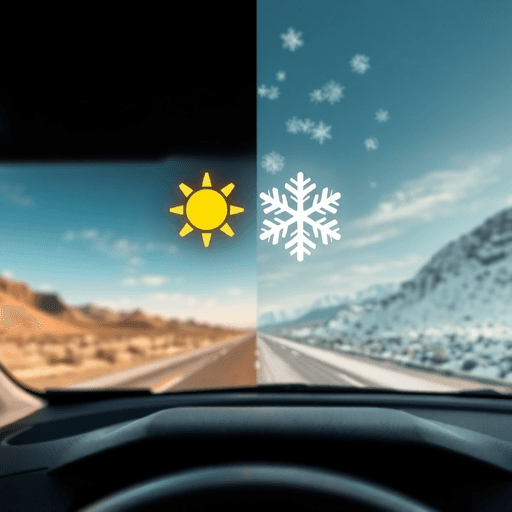
Extreme weather doesn’t just test your comfort—it puts your car’s reliability and your safety on the line. Learning how to prepare your car for extreme weather conditions is a smart move for every vehicle owner, whether you’re facing blistering summers in Arizona or icy winters in upstate New York. Heatwaves, deep freezes, torrential rain, or sudden storms can all impact engine performance, tire safety, battery life, and visibility—often when you least expect it.
Neglecting vehicle safety maintenance leaves you at risk for breakdowns, costly repairs, or worse—dangerous road incidents. A few simple steps can mean the difference between a smooth trip and an emergency roadside call.
This article breaks down practical ways to prepare your car for extreme weather conditions across different climates. You’ll find expert-backed tips on:
- Keeping your cooling system healthy in hot weather
- Ensuring traction and battery reliability
- Protecting visibility and exterior finishes
- Building essential emergency kits
Drive smarter and safer with strategies tailored to every season.
Understanding Extreme Weather Challenges for Vehicles
Extreme weather puts unique stress on every part of your vehicle. Whether dealing with a scorching heatwave or navigating icy winter storms, the climate’s impact on cars is real and often underestimated.
Heatwave Car Issues:
- Cooling Systems: High temperatures force your radiator and coolant to work overtime. Even a small leak or clog can trigger overheating.
- Tires: Hot pavement increases tire pressure, which can lead to blowouts or rapid tread wear—especially if you haven’t checked PSI lately.
- Batteries: Heat accelerates chemical reactions in car batteries, shortening lifespan and raising the risk of sudden failure right when you need reliable starts.
Winter Storm Vehicle Risks:
- Engines: Cold makes oil thicker, straining the starter and internal components. Frozen fluids are a real threat in deep freezes.
- Tires: Low temperatures reduce air pressure and make rubber less flexible, cutting down traction and increasing skid risk on snow or ice.
- Visibility: Frosted windshields and frozen wiper blades limit vision. Standard washer fluids may freeze, leaving you unable to clear salt or grime.
General Climate Impacts:
- Extreme swings—like going from desert heat to mountain cold—accelerate wear on belts, hoses, electronics, brakes, and seals.
- Fluctuations in temperature and humidity can cause rust, corrosion, and even electrical faults if moisture seeps into sensitive areas.
Staying ahead of these challenges means understanding what your car faces each season. This proactive approach keeps you safer on the road while protecting your investment.
Preparing Your Car for Hot Weather and Heatwaves
Keeping your car’s cooling system in top shape is essential when temperatures soar. Regular radiator checks and monitoring coolant levels are the backbone of preventing overheating, a common culprit behind roadside breakdowns during heatwaves.
Key steps for hot weather readiness:
- Inspect the radiator: Look for signs of corrosion, leaks, or blockages. A clean, leak-free radiator is critical to heat dissipation.
- Monitor coolant levels: Check that the coolant reservoir is filled to the recommended line. Low coolant increases risk of engine overheating.
- Examine hoses and clamps: Inspect for cracks or loose connections where coolant could escape.
Warning signs your engine is overheating include:
- Temperature gauge climbing into the red
- Steam billowing from under the hood
- Unusual smells (sweet scent from leaking coolant or burnt odor)
- Dashboard warning lights illuminated
Ignoring these signals can quickly lead to severe engine damage. Pull over safely and switch off the engine if you spot any of these issues.
Coolant selection and intervals matter:
Manufacturers specify which coolant type works best with your vehicle—commonly ethylene glycol-based or extended-life formulas. Always use the recommended blend; mixing types can reduce effectiveness. Replacement intervals vary but typically range from every 30,000 to 50,000 miles (or every 2-5 years). Refer to your owner’s manual for specifics.
This approach ensures reliable performance, especially for SUVs and trucks that may tow loads or travel long distances in hot climates. Regular attention here means less risk of costly repairs when the mercury climbs.
In addition to these maintenance tips, having a reliable OBD-II scanner can be a game changer. These tools allow you to diagnose car issues yourself, saving money on professional services.
If you’re considering purchasing a used car as an alternative to your current vehicle, it’s crucial to understand how to finance a used car effectively. This includes learning about loans, budgeting, negotiation, and making informed purchase decisions.
For those looking into auto financing options, our comprehensive car loan guide provides valuable insights on securing the best rates available.
Lastly, don’t forget about protecting your vehicle from harsh weather conditions with top-rated car covers. These covers provide all-weather protection, shielding your vehicle from sun, rain, snow, and more while keeping it looking pristine year-round.
Tire Care in High Temperatures
Heatwaves directly impact your tires’ safety and performance. When air temperatures spike, tire pressure rises rapidly—every 10°F increase outside can add about 1 PSI to your tires. Overinflated tires are at higher risk of blowouts, while underinflation from unnoticed leaks or improper maintenance leads to reduced traction and uneven wear. Both scenarios compromise your control on the road, especially if you drive an SUV or a loaded pickup that puts extra stress on the rubber.
Common heat-related tire issues:
- Increased risk of blowouts: Hot pavement softens tire compounds, making them more susceptible to sudden failure when combined with excess pressure.
- Reduced traction: Improperly inflated tires decrease contact with the road, leading to longer stopping distances and poor handling during emergency maneuvers.
- Accelerated tread wear: Excess heat causes rubber to break down faster, shortening tire life and potentially voiding warranties.
Maintaining proper tire pressure is critical. Use a reliable digital or analog tire pressure gauge to check all four tires (plus the spare) when they’re “cold”—before you’ve driven, not after the car has been sitting in the sun. Refer to your owner’s manual or the sticker inside your driver’s door for recommended PSI levels.
Steps for safe summer tire maintenance:
- Check tire pressure weekly during heatwaves.
- Inflate or deflate as needed using a portable air compressor.
- Inspect treads for cracks, bulges, or uneven wear—replace if necessary.
Tire pressure monitoring systems (TPMS) offer real-time alerts, but manual checks remain essential for How to Prepare Your Car for Extreme Weather Conditions—especially before long road trips in extreme heat. This advice is not only applicable for cars but also relevant if you’re considering purchasing a boat online, where understanding vehicle maintenance can be beneficial. Additionally, if you’re planning to buy a bike, it’s crucial to know the must-have safety features when buying a bike, which also ties back into overall vehicle safety and maintenance practices.
Battery Protection and Maintenance in Hot Weather
Extreme heat is notorious for draining car batteries faster than cold weather. High temperatures speed up chemical reactions inside the battery, which can lead to internal corrosion and shorten battery life expectancy. Drivers in regions like Arizona or Queensland often see batteries fail years earlier than expected, especially if cars are left baking in direct sunlight.
Battery testing in hot weather becomes essential during summer months. Most auto parts stores offer free battery health checks—using a multimeter or a dedicated battery tester at home also works. Look for these warning signs:
- Slow engine crank when starting
- Dim headlights or electrical issues
- Swollen or bulging battery case
- Corrosion around terminals
Pro tip: Park in the shade whenever possible. Shaded parking benefits not only your cabin temperature but also keeps your battery cooler, reducing the risk of accelerated wear.
To extend your battery’s lifespan, follow these maintenance tips:
- Clean terminals regularly to prevent corrosion buildup.
- Ensure your battery is securely mounted to avoid vibration damage.
- Check fluid levels (for non-sealed types) and top up with distilled water if needed.
- Replace batteries proactively every 3–5 years, especially if you notice signs of weakness during summer.
Reliable brands like Optima and ACDelco offer batteries designed for hot climates—worth considering if you drive in extreme heat zones.
However, it’s not just car batteries that suffer in extreme weather. If you own a boat, boat ownership comes with its own set of challenges during hot seasons. Understanding these challenges is crucial for maintaining your vessel’s health.
Additionally, should you ever decide to part ways with your boat, implementing some expert tips to sell your boat fast can make the process smoother and more profitable.
Air Conditioning System Check Before Summer Peaks
Hot weather puts your car’s AC system to the test. Routine AC system maintenance guarantees that you stay comfortable and safe, whether you drive a compact hatchback, SUV, or pickup truck. Before summer temperatures soar, inspect your air conditioning for signs of wear or reduced performance.
Warning Signs Your AC Needs Attention:
- Weak airflow even at the highest fan setting
- Air that doesn’t feel as cold as it used to
- Unusual noises (rattling or hissing) coming from vents
- Musty or unpleasant odors when the system runs
- Visible leaks or puddles under the dashboard
Early detection makes a difference. If you notice these symptoms, get a professional inspection or use an AC pressure gauge kit at home. Don’t ignore small drops in cooling effectiveness. A minor refrigerant leak or clogged cabin filter can snowball into bigger problems.
Speaking of musty odors, this could indicate that your cabin air filter needs replacing. It’s essential to maintain your air conditioning system not just for cooling but also for breathe easy with the latest car air purification tech.
Simple Maintenance Tips for Optimal Cooling:
- Replace your cabin air filter every 12–15,000 miles (or as recommended by your vehicle manual)
- Run your AC for at least 10 minutes weekly—even in winter—to keep seals lubricated
- Make sure condenser fins (in front of the radiator) remain clear of debris like leaves and bugs
- Use manufacturer-recommended refrigerant if top-off is needed
Keeping your AC system maintained means no surprises when peak heat arrives. This proactive approach protects comfort and extends the lifespan of critical cooling components. To further enhance your driving experience, consider using some of the best car air fresheners available in the market to keep your vehicle’s interior smelling fresh and inviting.
Essential Emergency Kit Items for Hot Weather Driving
Packing a well-equipped summer emergency kit car is a must for anyone driving in extreme heat. Keeping your vehicle stocked with hot weather essentials can make a critical difference if you find yourself stranded or delayed under the sun. Prioritize hydration, comfort, and safety with these recommended items:
- Water Bottles or Hydration Packs: Always include several liters of water per person. Consider insulated bottles to keep water cooler for longer.
- Reflective Sunshade: A quality reflective sunshade helps block harmful UV rays and drastically lowers cabin temperatures while your car is parked.
- First Aid Supplies: Stock a compact kit with wound care, burn gel, and electrolyte tablets to address minor injuries or dehydration symptoms quickly.
- Battery-Powered Fan or Cooling Towel: These portable cooling aids offer relief if your AC fails while waiting for assistance.
- High-Energy Snacks: Choose non-perishable options that withstand heat—think protein bars or trail mix.
- Wide-Brim Hat and Sunscreen: Personal protection against direct sun exposure is vital if you need to wait outside your vehicle.
Including these items directly supports the core principle of How to Prepare Your Car for Extreme Weather Conditions: plan ahead to ensure both comfort and safety during unexpected summer emergencies.
Preparing Your Car for Cold Weather and Winter Storms
Snow, ice, and freezing rain can make it difficult to see while driving. That’s why it’s important to make sure your vehicle’s visibility systems are working properly. When temperatures drop or ice builds up, regular wiper blades may not work as well. That’s why upgrading to winter wiper blades is crucial for safe winter driving. These blades are designed with a heavy-duty rubber shell that resists cracking and prevents snow from clogging the blade mechanism. This means you’ll have smoother sweeps across the windshield, even in slushy conditions. If you drive an SUV or truck that often faces strong winds and heavy snowfall on the highway, look for reinforced frames that won’t bend easily.
Features of quality winter wiper blades:
- Enclosed frame to prevent ice build-up
- Flexible rubber compounds for low temperatures
- Extra pressure points for streak-free wiping
Visibility isn’t just about the wipers—your washer fluid is also important. Regular washer fluids can freeze when they come into contact with a cold windshield, leaving you unable to see at the worst possible moment. That’s why you should choose a freezing windshield washer fluid that’s designed for extremely low temperatures (look for labels saying “-20°C/-4°F” or lower). This type of washer fluid will stay liquid even in freezing conditions and can help melt light frost and ice on your windshield.
Tips for winter washer fluid:
- Check your washer fluid level regularly and refill as needed; cold weather can quickly use up the fluid
- Look for brands that have additional de-icing ingredients to tackle stubborn ice patches
By taking care of both your winter wiper blades and freezing windshield washer fluid, you’ll ensure that you have a clear view while driving through snowstorms or sudden snow showers.
Additionally, while you’re getting your car ready for winter, think about adding some tech upgrades like the best wireless charging pads. These charging solutions will help keep your driving experience organized by eliminating messy cables.
Winter Emergency Kit Essentials Every Driver Should Have
A well-stocked cold weather emergency kit car is a must-have for winter driving. Whether you’re commuting in an SUV, truck, or compact car, these essentials can make the difference between comfort and risk during a breakdown or unexpected snowstorm:
- Thermal blankets: Insulate body heat and prevent hypothermia if you’re stranded with no heat source.
- Insulated gloves: Protect your hands while changing a tire or clearing snow, reducing the risk of frostbite.
- Ice scraper and snow brush: Quickly remove ice and snow from windows and lights to maintain visibility. Opt for sturdy designs that resist cracking in subzero temps.
- Non-perishable snacks: Energy bars, trail mix, or jerky keep your energy up if you’re stuck waiting for assistance. Pair with bottled water stored in containers that won’t burst if frozen.
- LED flashlight and extra batteries: Stay visible and perform tasks safely in low-light winter conditions.
- Portable phone charger (power bank): Keep communication lines open if your vehicle’s battery fails.
Including these blankets gloves ice scraper food supplies ensures you’re prepared for common roadside emergencies when temperatures drop.
Year-Round Vehicle Maintenance Tips for Extreme Weather Resilience
Consistent, all-season maintenance is the backbone of any plan on How to Prepare Your Car for Extreme Weather Conditions. Neglecting fluid checks or skipping vital inspections can leave you stranded when temperatures soar or plummet.
Key Maintenance Checks Every Driver Should Prioritize:
-
Engine Oil Level Check:
Low or degraded engine oil spells trouble in any climate. Hot weather thins old oil, reducing engine protection; cold snaps make thick oil sluggish, risking poor lubrication at start-up. Check your oil level and quality monthly—top up or change as recommended by your manufacturer, using oil grades suited to local temperatures. -
Brake Fluid Maintenance Year-Round:
Brake fluid absorbs moisture over time, which can lower its boiling point and cause brake fade or failure—especially dangerous in heatwaves or on icy roads. Inspect brake fluid at regular intervals and replace it every two years, or sooner if fluid appears dark or contaminated. Never mix fluid types unless specified. -
Other Essential Fluids:
- Transmission Fluid: Ensures smooth gear shifts in both sweltering traffic and freezing mornings.
- Coolant/Antifreeze: Guards against overheating in summer and freezing in winter; check levels and condition seasonally.
- Power Steering & Windshield Washer Fluids: Both are essential for safe handling and clear visibility year-round.
Sticking to a regular inspection schedule not only prevents costly repairs but also extends the life of your vehicle—whether you drive a compact car, SUV, ute, or truck. A simple monthly checklist can help you spot leaks, contamination, or low levels before minor issues turn serious.
Belts and Hoses Inspection: Preventing Damage from Temperature Extremes
Extreme temperatures can take a toll on your car’s belts and hoses, often before you even notice any visible signs. In cold weather, belts lose their flexibility, while intense heat can make them brittle. Hoses face similar challenges: low temperatures can cause cracking, while high heat can soften materials, leading to bulges or leaks.
Why Address Belts and Hoses?
Here are some reasons why it’s important to pay attention to your car’s belts and hoses:
- Failure risk: A snapped serpentine belt or burst radiator hose can leave you stranded with an overheated engine or loss of power steering.
- Preventive maintenance saves money: Replacing worn belts or hoses costs far less than repairing engine damage caused by their failure.
- Vehicle types affected: Whether you drive a family SUV, work truck, or performance sedan, no vehicle is immune—rubber components naturally degrade over time.
Inspection Checklist for All Climates
No matter where you live, here are some things you should check when inspecting your car’s belts and hoses:
- Inspect for cracks, fraying, glazing (shiny surfaces), soft spots, or bulges.
- Squeeze hoses gently to check for firmness; spongy areas mean internal wear.
- Listen for squeaks during startup—an early sign of belt slippage.
- Follow your owner’s manual for replacement intervals (usually every 60,000–100,000 km).
Hoses damage prevention starts with regular checks each season. If you spot any weakness or age-related damage, don’t wait—replace the part with a quality OEM or aftermarket option built for your climate. This attention to detail ensures reliable performance whether facing summer heatwaves or winter freezes.
In addition to regular maintenance checks, consider the fuel you’re using. The rise of biofuels and synthetic fuels is changing the automotive industry. These alternative fuels have the potential to reduce emissions significantly and power cleaner cars for a greener future.
Maintaining Adequate Tire Tread Depth: A Must for Safe Driving Year-Round
Tire tread depth safety is non-negotiable when it comes to reliable traction in any weather. Worn-out treads dramatically increase your risk of hydroplaning on rain-soaked highways or losing control on icy winter roads. Adequate tread channels water away, prevents slippage, and helps your tires bite into snow or mud.
Key points to keep top of mind:
- Legal minimums matter: Most U.S. states require at least 2/32-inch tread depth, but experts recommend replacing tires when they reach 4/32-inch for wet roads and 6/32-inch if you drive in snow.
- Simple checks: Insert a penny into the tire groove with Lincoln’s head down—if you see all of his head, the tread is too low.
- Performance impact: SUVs, trucks, and sedans all benefit from good tread, reducing stopping distances and maximizing cornering grip.
- Affiliate tip: Quality digital tread depth gauges offer precise readings—find our recommended options here.
Staying vigilant with regular checks ensures every journey starts with confidence regardless of what the forecast holds.
Routine Seasonal Maintenance Tasks That Shouldn’t Be Overlooked
Seasonal changes place different demands on your vehicle’s engine and fluids. Adapting your oil change schedule to fit the climate is key for anyone learning How to Prepare Your Car for Extreme Weather Conditions. Using oil with the correct viscosity for summer or winter ensures smoother startups in freezing temperatures and reliable lubrication during heatwaves.
1. Oil changes seasonal needs
- Cold climates often require a thinner, low-viscosity oil to reduce engine strain at startup.
- Hot weather calls for oils that resist thinning out under high temperatures.
2. Other essential seasonal checks
- Replace air filters before pollen-heavy spring or dusty summer months.
- Inspect coolant and antifreeze levels as seasons shift—these fluids protect your engine from both boiling and freezing.
- Switch to winter-grade windshield washer fluid before temperatures drop.
Sticking to these targeted maintenance routines extends the life of your engine and prevents weather-related breakdowns. Each adjustment addresses specific threats brought on by climate, keeping your car ready for whatever the season brings.
However, it’s not just vehicles that require seasonal maintenance. Boat buying trends also fluctuate with the seasons, shaping the marine industry. Understanding these trends can provide valuable insights for those considering purchasing a boat.
Visibility Systems Upkeep: Ensuring Clear Sightlines All Year Long
Driving in rain, fog, or snow puts your visibility to the test. Reliable headlights and clear lenses are essential for safe navigation, especially when weather conditions change rapidly. Headlights inspection maintenance should be a regular part of your routine, not just an afterthought.
1. Check Headlight Functionality
Switch on both low and high beams to confirm all bulbs illuminate evenly. Dimming, flickering, or single-bulb failures signal replacements are due.
2. Clean Lenses Regularly
Cloudy or yellowed headlight covers scatter light and reduce your visibility. Use headlight restoration kits or professional cleaning as needed.
3. Inspect for Moisture or Cracks
Condensation inside the housing or visible cracks can lead to electrical issues—address these promptly to avoid unexpected outages.
4. Upgrade Bulbs if Needed
Consider brighter LED or halogen bulbs for better illumination during heavy rainfall or dense fog. Select options compatible with your vehicle’s make and model.
Windshield wipers, defrosters, and rear window heaters also deserve attention during regular maintenance checks to keep all sightlines clear as you drive into unpredictable conditions.
Exterior Paint Protection Strategies Against Sun Exposure And Winter Damage
Car paint protection isn’t just about looks—it’s a first line of defense against the elements. Sun exposure can damage clear coats, leading to fading and oxidation. In cold climates, winter damage from road salt and ice-melting chemicals speeds up corrosion and chips away at your vehicle’s finish.
Two proven strategies stand out:
1. Regular Waxing
Quality car wax creates a barrier between your paint and harsh UV rays, helping maintain color depth and gloss.
Wax also repels water, making it harder for salt and grime to stick during winter months.
Most manufacturers recommend waxing every 3–4 months for year-round protection.
Spray waxes offer quick touch-ups, while paste waxes provide longer-lasting coverage.
2. Ceramic Coating
Ceramic coatings bond at the molecular level with your paint, delivering superior durability against both sun exposure and winter damage.
These coatings are hydrophobic—water beads off instantly—so road salt and contaminants have less time to cause harm.
Professional-grade ceramic coatings last up to five years, though DIY options are available for budget-conscious drivers.
Paint protection film is another option if you drive in areas with frequent gravel or heavy road debris. No matter which method you choose, consistently caring for your vehicle’s exterior leads to better long-term value, fewer costly touch-ups, and a like-new appearance even after tough seasons.
Comprehensive Emergency Kit Preparation For Unexpected Events On The Road
No matter how well you maintain your vehicle, unexpected situations can arise. Prioritizing car emergency kit essentials ensures year-round preparedness for storms, breakdowns, or accidents. A smartly stocked kit offers peace of mind whether you’re driving in peak summer heat, icy winter storms, or remote regions in Australia and the USA.
Recommended items for any season:
- Jumper cables or a portable jump starter
- LED flashlight with spare batteries
- High-visibility safety vest and warning triangles
- Multi-tool or compact toolkit
- First aid kit (bandages, antiseptics, pain relievers)
- Bottled water and non-perishable snacks
- Emergency blanket (thermal type)
- Phone charger (12V adapter or power bank)
- Basic tire repair kit and reliable pressure gauge
Investing in a quality emergency kit is a practical move if you want to know How to Prepare Your Car for Extreme Weather Conditions. Choose products rated for durability and versatility—affiliate recommendations often highlight kits that combine these features for maximum value and convenience.
FAQs (Frequently Asked Questions)
Why is it important to prepare my car for extreme weather conditions?
Preparing your car for extreme weather conditions is crucial because weather impacts vehicle performance and safety. Proper preparation helps prevent breakdowns, ensures optimal functioning of key components like cooling systems and tires, and enhances overall driving safety in hot or cold climates.
How can I protect my car’s battery during hot weather?
Extreme heat can reduce battery life and performance. To protect your battery in hot weather, regularly test its health, keep the terminals clean, park in shaded areas to avoid overheating, and ensure proper maintenance practices are followed to extend battery lifespan.
What tire care steps should I take during heatwaves?
High temperatures affect tire pressure and can lead to blowouts or reduced traction. Monitor your tire pressure frequently using a reliable gauge, adjust inflation to recommended levels safely, and inspect tires for signs of wear or damage to maintain safe driving conditions during heatwaves.
What emergency kit items are essential for hot weather driving?
A summer emergency kit should include hydration essentials like water bottles, a reflective sunshade to keep the interior cool, first aid supplies for minor injuries, and other items that help you stay safe and comfortable during extreme heat scenarios on the road.
How do I prepare my car for cold weather and winter storms?
Prepare your vehicle by installing winter-specific wiper blades to clear snow and ice effectively, using freezing-resistant windshield washer fluid for optimal visibility, checking engine oil and brake fluid levels regularly, and assembling a winter emergency kit with blankets, gloves, ice scrapers, and food supplies.
What routine maintenance tasks help ensure vehicle resilience year-round in extreme climates?
Year-round maintenance includes regular checks of engine oil levels aligned with seasonal needs, brake fluid inspection, belts and hoses examination for temperature-related wear, maintaining adequate tire tread depth for traction on wet or snowy roads, headlight functionality checks for visibility, and applying paint protection like waxing or ceramic coatings against sun exposure and winter damage.