Buying a vehicle should be an exciting milestone—not the start of a nightmare. Unfortunately, many buyers are caught off guard by vehicles that turn out to be stolen, leading to financial loss and legal troubles. Verifying a vehicle’s legitimacy before handing over cash is not just smart; it directly protects your wallet, your safety, and your peace of mind.
This guide on How to Spot a Stolen Vehicle Before You Buy breaks down everything you need to know to buy a vehicle safely. Whether you’re searching for your next daily driver or a weekend toy, you’ll learn how to:
- Confirm ownership and legal status using official records
- Identify red flags during inspections
- Leverage professional services for extra protection
You deserve confidence in every purchase. The steps below will help you steer clear of costly mistakes and spot a stolen vehicle before you buy.
If you’re considering purchasing a boat instead of a car or SUV, it’s crucial to understand boat ownership and the potential pitfalls involved. This includes knowing how to sell your boat fast if needed.
For those leaning towards buying a used car, it’s essential to master the art of financing such vehicles. This includes understanding loans, budgeting, negotiation strategies, and making informed purchase decisions. Additionally, knowing how to secure the best rates through an effective car loan guide can significantly ease the financing process.
Lastly, regardless of the type of vehicle you’re purchasing—be it a car with specific needs like top windshield wipers for better visibility—you deserve confidence in every purchase.
Why Spotting a Stolen Vehicle Matters
Buying a stolen vehicle comes with serious risks that can quickly turn your dream purchase into a legal and financial nightmare. The stakes are high for anyone who skips crucial checks, especially in the current market where stolen vehicle risks are on the rise.
Legal Consequences
- Law enforcement can seize a stolen vehicle without compensation, leaving you with nothing but loss.
- Unwittingly driving or reselling a stolen car could result in criminal charges or involvement in lengthy investigations.
- Legal fees and time spent resolving ownership disputes often exceed the price of the vehicle itself.
Financial Fallout
- Money paid for a stolen car is rarely recoverable. Banks and lenders will not reimburse funds if the asset is confiscated.
- Vehicles flagged as stolen carry unresolved debts or encumbrances. You may end up responsible for someone else’s outstanding loan.
- Stolen vehicles lose all resale value—registration cannot be transferred, making future sale impossible.
Insurance and Registration Issues
- Insurance companies deny coverage for vehicles with questionable history; claims become invalid if theft is discovered after purchase.
- State transport authorities refuse to register or transfer a title for any car flagged as stolen, stranding you with an unusable asset.
A single misstep in vehicle purchase safety can create lasting damage—protecting yourself means vigilance at every stage of buying, whether it’s a car, truck, SUV, or even a boat. It’s essential to be aware of the impact of technology on vehicle valuation, which is becoming increasingly important in today’s market. If you’re considering purchasing a bike instead, make sure to know about must-have safety features when buying a bike. Additionally, if you’re looking to manage your finances better post-purchase, our guide on refinancing your car loan could be beneficial. Lastly, don’t overlook the importance of in-car tech; exploring options like wireless charging pads for a clutter-free interior can significantly enhance your driving experience.
Step 1: Verify the Vehicle’s Status Before Purchase
Before you hand over any cash, always verify vehicle status to avoid headaches down the track. The first step is a VIN check. Every car, truck, SUV, motorbike, and even boat comes with a unique 17-digit Vehicle Identification Number (VIN). This number is usually found on the dashboard near the windshield or inside the driver’s door jamb. You can also use the registration number or engine number for basic checks.
How to Use Identification Numbers:
- Enter the VIN, engine, or rego number into your local police or national vehicle database. In Australia, this is typically done through state-based police websites or online platforms like the National Motor Vehicle Theft Reduction Council (NMVTRC). In the US, check with the National Insurance Crime Bureau (NICB) or your state DMV.
- Look for red flags: mismatches between records and what’s being sold may indicate fraud or theft.
Why a PPSR Certificate Matters:
A Personal Property Securities Register (PPSR) certificate is essential in Australia for any used vehicle purchase. This official report confirms:
- The vehicle isn’t listed as stolen.
- No outstanding finance remains (so you won’t lose it if debt isn’t paid).
- No write-off history that could affect safety or resale value.
A PPSR certificate provides instant peace of mind. Most results are available within minutes after ordering from recommended online providers.
Double-checking a vehicle’s status using these tools lowers your risk and helps you spot problems before they become yours. The process is quick—and can save you thousands in losses and legal issues.
Additionally, if you’re considering purchasing an electric vehicle, it’s worth exploring how electric cars can power your home with V2G tech. This technology enables electric cars to not only serve as a mode of transport but also as a source of energy for your home.
Moreover, when buying a used car, you might want to consider some DIY car safety tech upgrades to enhance its security and safety features. These upgrades can be easily installed at home and provide added peace of mind on the road.
If you’re interested in understanding more about the condition of a vehicle before purchase, utilizing OBD-II scanners can be incredibly beneficial. These reliable tools allow you to perform DIY diagnostics and troubleshoot any potential issues with the car.
For those who are particularly concerned about air quality inside their vehicles, there are latest car air purification tech available that can significantly improve air quality during drives.
Lastly, if your search extends beyond cars and includes boats as well, it’s crucial to understand how to safely purchase a boat online. This guide offers expert tips for navigating the digital marine marketplace while ensuring your investment is protected.
Step 2: Conduct Thorough Physical Inspections
A physical inspection is a crucial part of a stolen car check that every buyer should undertake. Stolen vehicles often exhibit subtle—but telling—signs that paperwork alone won’t reveal.
Key areas to inspect:
-
Build and Compliance Dates:
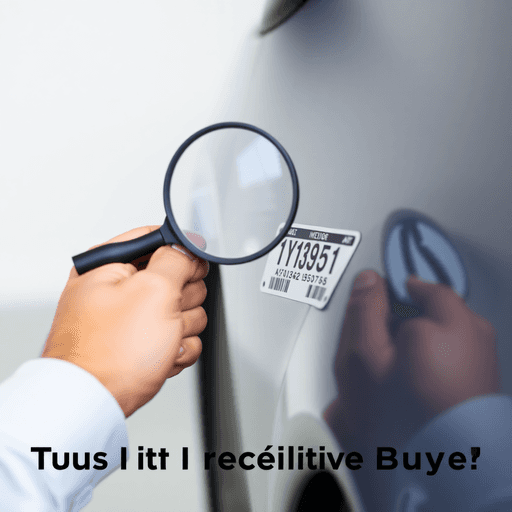
Begin by comparing the build date and compliance plate on the vehicle (usually found in the engine bay, driver’s door jamb, or under the bonnet) with what’s advertised in the listing. A mismatch between these dates and the claimed model year can indicate re-birthing or identity swapping—a common trick used with stolen cars. For instance, if a car is marketed as a 2022 model but has a compliance plate from late 2020, its legitimacy should be questioned. -
Identification Number Tampering:
Carefully examine all stamped or riveted identification numbers:- VIN (Vehicle Identification Number)
- Chassis number
- Engine number
Be on the lookout for:
- Scratches, grinding marks, or new paint around these numbers
- Inconsistent fonts or uneven stamping
- Plates that appear newer than surrounding metal or are poorly affixed
These are classic indicators of vehicle identification tampering. If you encounter altered or obscured numbers, it’s best to walk away—the risk is too high.
Tip: Bring a flashlight and clean rag to get a clear look at hidden plates and stamps. Some thieves will attempt to cover up VINs with dirt or aftermarket stickers.
Physical inspection remains one of the most effective defenses against purchasing a stolen vehicle. Matching documentation to what you see in person helps verify authenticity before money changes hands.
Additionally, while conducting these inspections, consider how they might affect your auto financing options in the future. Understanding the key trends in auto financing for 2025, including economic shifts and consumer demands, could provide valuable insights into your purchase decisions.
Moreover, if you’re considering buying classic cars, it’s essential to grasp the key considerations when valuing classic cars in today’s market. Understanding their history, rarity, condition, market trends, and effective appraisal methods can significantly influence your buying strategy.
Step 3: Utilize Professional Vehicle Inspection Services
Bringing in a professional vehicle inspection service offers layers of protection you can’t achieve alone. An independent car check goes beyond surface appearances and seller assurances, focusing on both the visible and hidden aspects that can signal fraud or theft.
Key advantages of an independent car check:
- Expertise: Qualified inspectors know exactly where to look for subtle signs of tampering or suspicious activity—misaligned panels, inconsistent paint finishes, or evidence of removed stickers and plates.
- Unbiased Assessment: Independent professionals work for you, not the seller. They provide a detailed report outlining any concerns about the car’s identity, previous repairs, or potentially illegal modifications.
- Comprehensive Documentation: Many inspection services supply a written record with photos. This documentation can be invaluable if disputes arise or insurance claims need supporting evidence.
Test driving is equally critical. During the drive, listen for odd noises, feel for strange vibrations, and pay close attention to how the car handles. Professional inspectors often accompany buyers on test drives to spot mechanical issues and detect warning signs that might indicate previous theft damage or attempts to mask underlying problems.
Inspections are available for cars, SUVs, trucks, motorcycles—even boats—offering peace of mind across all vehicle types. Investing in this step reduces your risks dramatically and helps you confidently move forward with your purchase.
As we explore various vehicle options, it’s worth considering innovative alternatives like solar-powered cars, which are revolutionizing green travel. These vehicles not only reduce carbon footprints but also offer sustainable driving solutions.
Additionally, with the rise of technology in the automotive industry, we must stay informed about the new laws and regulations for self-driving cars. Understanding these regulations will help us navigate the future of autonomous vehicles safely.
Moreover, adopting eco-friendly driving habits can be made more engaging through gamification. This approach turns sustainable driving choices into a fun challenge with rewards for making green decisions.
Lastly, while we ensure our vehicles are in top condition through inspections and professional assessments, maintaining a pleasant interior environment is equally important. Exploring options like the best car air fresheners can significantly enhance our driving experience by keeping our ride smelling fresh.
Step 4: Understand Your Rights and Risks When Buying From Private Sellers vs Dealers
Choosing between a private seller and a licensed dealer comes with very different levels of protection. Your rights as a buyer depend heavily on who you purchase from, so it pays to know the key differences before you commit.
Private Seller Risks
- No statutory warranty: When buying from a private seller, vehicles are typically sold “as-is.” If issues arise after the sale—such as finding out the car is stolen or has hidden damage—you’re usually on your own.
- No cooling-off period: Most private transactions don’t offer any grace period to change your mind once payment is made. Once the papers are signed, the deal is sealed.
- Limited legal recourse: Resolving disputes over title issues, misrepresented history, or outstanding finance can be difficult and costly.
Licensed Dealer Protections
- Statutory warranties (varies by state/country): Dealers are often required by law to provide minimum guarantees on certain used vehicles. This includes clear title and, in some cases, mechanical reliability for a set period or distance.
- Cooling-off periods: Many regions require dealers to offer buyers a short window—usually 1-3 days—to reconsider the purchase.
- Greater accountability: Reputable dealers must comply with strict regulations regarding advertising accuracy, paperwork transparency, and proper transfer of registration.
Buying from a licensed dealer gives you more legal backup if something goes wrong. Private sales carry more risk but sometimes offer lower prices.
This distinction matters whether you’re looking at cars, motorcycles, trucks, or boats. Understanding private seller risks versus licensed dealer protections helps you weigh up price savings against peace of mind when making your next vehicle purchase.
Step 5: Additional Precautions to Avoid Buying a Stolen Vehicle
Outstanding debts on vehicles can quickly become your problem if you skip background checks. The Personal Property Securities Register (PPSR) is your essential tool for uncovering whether the car, SUV, truck, or even boat you’re eyeing carries any financial baggage. A quick PPSR search reveals registered financial interests—meaning if the previous owner still owes money, the lender could legally repossess the vehicle after you buy it. Always download and keep a copy of this certificate for your records.
Key steps to prevent issues:
- Check the PPSR: Enter the VIN or chassis number and instantly see if there are outstanding debts on vehicles or if it’s flagged as stolen or written-off. This step is non-negotiable in any guide about How to Spot a Stolen Vehicle Before You Buy.
- Review finance status: Ensure there’s no encumbrance recorded—this means no one else has a legal claim over your purchase.
- Complete registration transfer immediately: After closing the deal, take the original paperwork and head to your local motor registry (or complete the process online, where available). Prompt registration transfer is crucial for shifting all liabilities—including unpaid tolls or future fines—away from the previous owner and onto you.
Missed paperwork or overlooked debts can lead to unexpected headaches and costs. Staying vigilant during this phase dramatically reduces risk and sets you up for stress-free ownership.
In addition to these steps, it’s important to consider some protective measures post-purchase. For instance, investing in top-rated car covers can shield your vehicle from sun, rain, snow, and more, keeping it looking pristine year-round.
Moreover, implementing technology such as GPS trackers can enhance safety and allow you to monitor your vehicle effectively.
If you’re environmentally conscious, exploring eco-friendly car materials could be beneficial as they are revolutionizing auto manufacturing with sustainable practices. Additionally, understanding how biofuels are changing the automotive industry could provide insights into cleaner alternatives for powering vehicles.
FAQs About Spotting Stolen Vehicles Before Buying
stolen car FAQ and buying used vehicles safely are common concerns—buyers often have practical questions when navigating the process. Here’s what you need to know:
Can I trust online vehicle listings?
Not all online listings are legitimate. Scams and misrepresented vehicles are still a risk, especially on peer-to-peer marketplaces.
Red flags include prices that seem too good to be true, sellers unwilling to meet in person, or requests for unusual payment methods.
Always verify the VIN, registration, and seller details independently before handing over money. Use reputable platforms that offer buyer protections where possible. For instance, if you’re looking to sell a truck quickly, online platforms can provide a fast and efficient solution.
How long does it take to get PPSR results?
PPSR checks (Personal Property Securities Register) are typically instant. After entering the VIN or chassis number and paying a small fee, you’ll receive a digital certificate within minutes.
Having this document on hand protects you against buying a car with finance owing or theft history. Many buyers choose to run this check right at the inspection stage.
What should I do if something feels off during the sale?
Walk away and consult a professional inspector or local police if needed.
Trust your instincts—pressure tactics or incomplete paperwork are warning signs.
Are these steps necessary for all vehicle types?
Yes. Whether you’re buying a car, truck, motorcycle, or even a boat, theft risks and due diligence apply equally.
Staying alert during every step reduces your exposure to legal headaches and financial losses.
Conclusion
Smart vehicle buying tips make a real difference when you’re about to buy used car safely and want peace of mind. Every step—from checking the VIN and PPSR to hiring a professional inspector—offers protection against the risks of purchasing a stolen vehicle. Skipping these checks can leave you with costly legal and financial headaches.
Before making any purchase:
- Always run a PPSR check using trusted providers like CarHistory or PPSR Australia for instant, comprehensive reports.
- Book a reputable independent inspection through partners such as RedBook Inspect or NRMA Inspections for expert eyes on your future vehicle.
How to Spot a Stolen Vehicle Before You Buy is about taking control of your car-buying journey. Secure your investment, protect your future, and drive with confidence by following these proven steps. For more smart vehicle buying tips, browse our expert guides or reach out for tailored support.
FAQs (Frequently Asked Questions)
Why is it important to spot a stolen vehicle before buying?
Spotting a stolen vehicle before purchase is crucial to avoid legal and financial consequences, ensure your safety, and prevent complications with insurance and registration.
How can I verify a vehicle’s status before buying?
You can verify a vehicle’s status by checking the Vehicle Identification Number (VIN), registration number, or engine number against police records for theft reports and obtaining a Personal Property Securities Register (PPSR) certificate to confirm no money owing, no theft record, and no write-off status.
What physical inspections should I perform to detect a stolen vehicle?
Conduct thorough inspections by comparing build and compliance dates on plates versus the advertised model year, and look for signs of tampering such as scratched-off or altered VIN, chassis, or engine numbers.
Should I use professional vehicle inspection services when buying used cars?
Yes, independent professional inspections help assess the vehicle’s condition and detect indicators of fraud or theft. Test driving the car also ensures its operational soundness.
What are the differences in buyer protections between private sellers and licensed dealers?
Licensed dealers often provide statutory warranties and cooling-off periods offering greater legal protection, whereas private sales typically lack these protections, increasing buyer risk.
What additional precautions can help avoid purchasing a stolen vehicle?
Check the PPSR for outstanding debts or financial interests registered against the vehicle, and ensure prompt completion of registration transfer paperwork after purchase to avoid future liabilities.