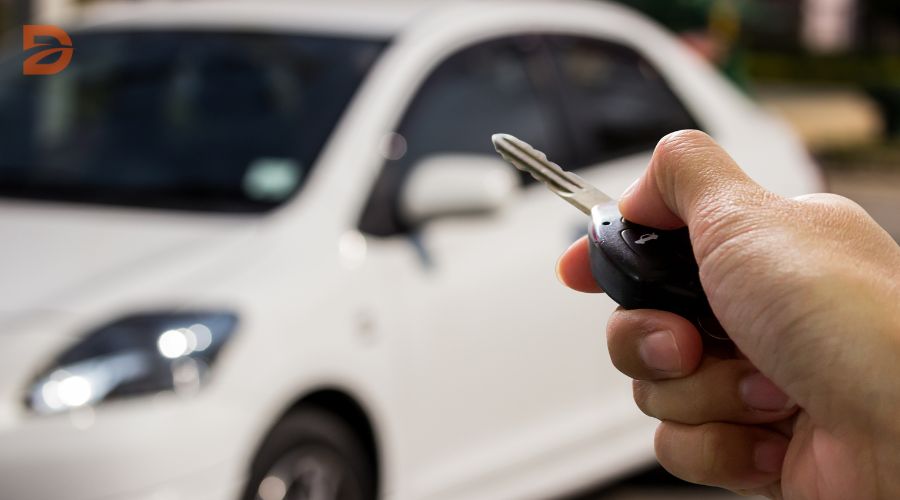

Connected cars are changing the way we drive, integrating cutting-edge technology into everything from family SUVs to high-performance trucks. These modern vehicles do more than just transport you—they gather extensive data every time you start the engine. This data includes information such as real-time location tracking, driving behavior analysis, diagnostic reports, and infotainment usage. Connected car data has become a standard feature in new models across the USA and Australia.
As car manufacturers and technology companies use this data to improve safety, performance, and convenience, concerns about privacy and security are growing among drivers. Questions like “Who owns my driving data?” and “How is it shared or protected?” are becoming more prevalent. The answers to these questions not only affect your personal information but also the safety of everyone on the road.
This guide delves into The Impact of Connected Car Data on Privacy and Security, providing you with practical insights to safeguard yourself and make informed decisions about your vehicle.
The evolution of connected cars also brings forth new possibilities such as vehicle-to-grid technology (V2G), which allows electric vehicles to supply power to your home, decrease energy expenses, and assist the grid during peak demand times.
When it comes to buying these advanced vehicles, knowing how to finance a used car or understanding various car loan options can greatly simplify the process.
In addition, safeguarding your investment is equally crucial. One effective way to achieve this is by using top-rated car covers that protect your vehicle from severe weather conditions. Furthermore, enhancing your driving experience with the best car air fresheners can also be advantageous.
Understanding Connected Car Data
Connected vehicles act as powerful data hubs, constantly gathering and processing information from multiple sources. The range of vehicle data types collected is broad, often including:
- Vehicle health and diagnostics: Engine status, battery voltage, fluid levels, tire pressure, brake wear.
- Driving behavior: Acceleration, braking patterns, speed, steering inputs.
- Location data: GPS coordinates, trip history, frequent destinations.
- Infotainment usage: Music preferences, voice assistant interactions, app connections.
- Occupant data: Seat occupancy sensors, seatbelt use, sometimes even biometric details.
These data streams originate from embedded sensors, onboard computers (ECUs), telematics modules, cameras, and connected mobile devices. Each source contributes unique insights into both the vehicle’s condition and the habits of its users.
The Importance of Real-Time Transmission
Real-time transmission is a defining feature. Data flows wirelessly—often via cellular or Wi-Fi networks—to automakers’ servers or approved third parties such as insurance providers or navigation partners. This instant connectivity enables features like over-the-air updates and emergency response in case of a crash.
Privacy Risks to Consider
However, as we embrace these advancements in vehicle technology and data collection, it’s important to stay informed about the new laws and regulations for self-driving cars that are shaping the future of autonomous driving.
Risks surface when considering who receives your information and how securely it travels. Weak encryption or lax access controls can expose sensitive details during transmission. Once on external servers, your driving history or location patterns may be vulnerable to misuse if not properly protected. Understanding these data sources and their pathways is the first step in assessing privacy risks with today’s connected vehicles.
Tools for Enhanced Safety
Moreover, with the wealth of location data being collected, it’s crucial to utilize reliable tools such as top GPS trackers for cars in 2024 to enhance safety and monitor your vehicle effectively.
Exploring Sustainable Options
As we look towards a more sustainable future in automotive technology, exploring options like biofuels could be key in reducing emissions and powering cleaner cars. Additionally, integrating gamification into driving can make eco-friendly driving not just a responsibility but also a fun challenge.
Benefits and Risks of Connected Car Data
Connected car data unlocks a range of tangible safety benefits and convenience features for today’s drivers. Real-time monitoring allows vehicles to detect hazards, send automatic crash alerts, and provide live diagnostics to both owners and emergency responders. For families or commercial fleets, this means increased peace of mind—if an airbag deploys or a vehicle veers off course, help can be dispatched without delay.
Key advantages include:
- Safety improvements: Collision detection systems use connected sensors to reduce response times after accidents. Lane-keeping assist and adaptive cruise control rely on vehicle data for safer driving. Must-have safety features when buying a bike can also be applied in the context of connected cars.
- Convenience: Remote start, climate pre-conditioning, and integration with smart home devices make daily routines easier. In-car navigation adjusts routes based on live traffic, saving time across city commutes or long road trips. The integration of best wireless charging pads for a clutter-free interior is an example of how convenience can be enhanced.
- Proactive vehicle maintenance: Connected diagnostics alert drivers before issues escalate—think low tire pressure warnings or scheduled service reminders—cutting down surprise breakdowns and costly repairs. Utilizing the best OBD-II scanners to diagnose car issues yourself can further empower drivers in managing their vehicle’s health.
With these benefits come significant risks. The same real-time data that powers convenience can expose sensitive personal information if mishandled. Privacy concerns arise when detailed driving habits or location histories are accessed by manufacturers or shared with third parties without clear consent. Cybersecurity threats are ever-present; hackers exploiting vulnerabilities in connected systems may gain unauthorized access, risking not only data but also remote control over key vehicle functions. Balancing these safety benefits with robust privacy protections is essential for all connected car owners.
Moreover, as we look towards the future, innovations such as solar-powered cars revolutionizing green travel could redefine our approach to transportation while still leveraging the benefits of connected car data.
Privacy Concerns Related to Connected Car Data
Connected cars operate as rolling data collectors, continuously gathering and transmitting sensitive information about drivers and passengers. Every trip, destination, and in-car interaction can be logged, from GPS coordinates to phone contacts synced to the infotainment system. This level of surveillance risks exposing not just where you go but also personal routines, preferred stops, and even relationships—all without your explicit consent.
Key privacy challenges:
- Surveillance risks: Connected vehicles can track real-time location, driving habits, voice commands, and even media preferences. This detailed data paints a comprehensive picture of your daily life, opening doors to personal information misuse by unauthorized parties.
- Opaque privacy terms: Privacy policies from car manufacturers are often dense and difficult to interpret. Many drivers accept default settings without realizing the full extent of data collection or downstream sharing with third parties. Opt-out mechanisms tend to be buried or poorly explained.
- Limited user control: Most connected car platforms offer minimal transparency about what information is being gathered or how to disable certain features. Users rarely receive timely notifications when their data practices change.
The impact of connected car data on privacy and security becomes especially significant as more vehicles come equipped with advanced connectivity by default. Without clear rights or tools for managing personal information, drivers face growing exposure—often unknowingly—to surveillance and profiling risks.
Despite these challenges, there is a silver lining in the form of eco-friendly car materials that are revolutionizing auto manufacturing. These materials not only reduce environmental impact but also present an opportunity for more transparent manufacturing processes.
Additionally, for those interested in classic cars, understanding key considerations when valuing classic cars can provide valuable insights into their history, rarity, condition, market trends, and effective appraisal methods.
Security Risks Associated with Connected Cars
Connected vehicles are prime targets for cybersecurity threats due to their reliance on complex software and constant connectivity. Hackers have discovered multiple vulnerabilities in these systems, turning modern cars, trucks, and SUVs into potential gateways for digital attacks.
Common Entry Points for Cyber Attacks
Here are some common entry points that hackers may exploit to gain access to connected vehicles:
- Wi-Fi hotspots and Bluetooth connections: Attackers exploit poorly secured wireless channels to gain unauthorized access.
- Telematics and mobile apps: Many manufacturers offer remote start, unlock, or diagnostic features through smartphone apps, which can be compromised if not properly secured.
- Infotainment systems and USB ports: Malicious code delivered via media files or physical connection can infect critical vehicle controls.
- Vehicle-to-everything (V2X) communication: As more vehicles connect with traffic signals, road infrastructure, and other cars, the attack surface expands even further.
Real-world consequences of these hacking risks are already evident. Researchers have demonstrated remote hijacking of steering, brakes, and acceleration in popular models. Criminals could track a vehicle’s location in real time or immobilize entire fleets—raising alarms not just for personal safety but also for national security. For commercial vehicles and government fleets, a single vulnerability can lead to large-scale disruptions.
The growing sophistication of cyberattacks demands vigilance from both manufacturers and drivers. Regular software updates and secure configurations play a vital role in reducing exposure to these evolving threats.
In addition to cybersecurity measures, it’s crucial to consider the overall health environment within connected cars. The latest advancements in car air purification technology can significantly improve air quality inside vehicles, making drives healthier while we navigate the challenges posed by digital threats.
Regulatory Landscape and Industry Response to Privacy & Security Challenges
Privacy laws in the automotive sector are evolving, but they fall short of fully addressing the unique landscape of connected car data. In the United States, regulations like the California Consumer Privacy Act (CCPA) and federal laws such as the Driver Privacy Act create some basic obligations for automakers and third-party service providers. These rules require manufacturers to:
- Disclose what personal information is collected
- Allow consumers to access or delete their data
- Implement reasonable security measures
European Union residents benefit from broader protections under the General Data Protection Regulation (GDPR), which mandates stricter consent requirements and gives users greater control over their information. Australia’s Privacy Act also covers vehicle data, but with similar limitations regarding enforcement scope.
Despite these frameworks, compliance remains inconsistent. Enforcement often lags behind technology, especially as automakers integrate new features faster than legal standards can adapt. Many privacy policies remain vague, buried in lengthy documentation, making it difficult for consumers to understand how their data is used or shared.
Industry leaders and privacy advocates are pushing for reforms that include:
- Clearer definitions of “personal information” reflecting real-world connected vehicle scenarios
- Active consent requirements—no more pre-ticked boxes or hidden opt-ins
- Mandatory fairness tests that evaluate whether data use practices are necessary and proportionate
These changes would help close current gaps and build greater trust between drivers and manufacturers. Interestingly, while much focus is on the automotive sector’s regulatory challenges, it’s worth noting that similar boat buying trends are emerging in the marine industry. Understanding consumer preferences, market shifts, and emerging patterns in recreational boating could provide valuable insights into how privacy and security challenges are being navigated across different sectors.
Practical Tips for Vehicle Owners to Protect Their Privacy & Security in a Connected World
Connected vehicles bring convenience, but staying proactive about privacy and security is essential. Here are practical user control tips to keep your data safe and limit unnecessary exposure:
1. Review Privacy Policies Before You Buy or Use
Dig into the privacy policy of your vehicle or connected service before making a purchase.
- Look for clear explanations on what data is collected, how it’s shared, and whether you can opt out.
- If the language is vague, ask your dealer for clarification. Transparency signals trustworthiness.
2. Adjust Vehicle Settings to Limit Data Sharing
Modern vehicles allow you to customize privacy settings in their infotainment systems:
- Disable unnecessary location tracking or telematics features.
- Turn off third-party app permissions you don’t need.
- Check if your car offers a “guest profile” to limit data sharing when lending your vehicle.
3. Prioritize Regular Software Updates
Security patches close vulnerabilities that hackers target:
- Enable automatic updates if available.
- Schedule monthly checks for firmware updates via your car’s companion app or manufacturer’s website.
4. Enhance Security with Trusted Products
Layering protection adds peace of mind:
- Consider hardware firewalls like Carly OBD2 Scanner to monitor connectivity (affiliate link).
- Use encrypted dash cams such as Vantrue N4 Pro 3 Channel for added security against tampering (affiliate link).
Understanding The Impact of Connected Car Data on Privacy and Security helps you stay ahead of threats. This active approach applies across sedans, SUVs, trucks—including those sold through online platforms for quick sales—and even smart bikes—wherever connectivity meets mobility. If you’re considering selling a boat instead, check out these expert tips to prep, price, and market your vessel effectively in today’s competitive marine market.
Conclusion
Staying proactive about connected car awareness empowers you to make smarter vehicle choices and safeguard your privacy. Understanding The Impact of Connected Car Data on Privacy and Security lets you take control—review data practices, ask questions at the dealership, and select vehicles or aftermarket solutions that prioritize your safety.
- Explore trusted privacy and security products for vehicles like dash cams with encrypted storage or OBD-II privacy blockers to add an extra layer of protection.
- Read our expert-led vehicle maintenance guides and security best practices for step-by-step advice.
- Sign up for updates on new tech trends shaping connected cars.
- Consider implementing some DIY vehicle safety tech upgrades that can enhance security and peace of mind on the road.
Your personal data is valuable. Make smart decisions, leverage Drive FAQ’s resources, and choose products that keep your driving experience safe—every mile, every journey.
FAQs (Frequently Asked Questions)
What types of data do connected cars collect and how is it transmitted?
Connected cars collect various types of data including vehicle information, driving behavior, and location details. This data is often transmitted in real-time to manufacturers and third parties, which can introduce potential privacy and security risks.
What are the main benefits of connected car data for drivers?
Connected car data offers several benefits such as improved safety through real-time monitoring, enhanced convenience via smart features, and better vehicle maintenance by predicting issues before they arise.
What privacy concerns arise from the use of connected car data?
Connected cars can function as surveillance devices by collecting personal information about drivers and passengers without explicit consent. Additionally, complex and opaque privacy policies from manufacturers often leave users unaware or lacking control over their own data.
How vulnerable are connected cars to cybersecurity threats?
Connected cars face significant cybersecurity risks including hacking attempts that could compromise individual vehicles or even national security. Such breaches might lead to unauthorized tracking or control of vehicles, posing serious safety concerns.
What regulations exist to protect privacy and security in connected car data?
There are existing privacy laws and regulatory frameworks that impose obligations on manufacturers and third parties handling connected car data. However, current compliance and enforcement mechanisms have shortcomings, prompting calls for reforms like active consent requirements and fairness tests for data use practices.
How can vehicle owners protect their privacy and security when using connected cars?
Owners should review privacy policies carefully before purchase or use, adjust vehicle settings to limit unnecessary data sharing, regularly update software to apply security patches, and consider trusted products or services designed to enhance vehicle privacy and security.